Buying a Waterfront Home for a Big Sportfish or Center Console
Buying a waterfront home for a 40-foot sportfish or a big center console? A boater-agent's checklist: deep-water dock, draft at low tide, slip vs. lift, shore power, and fast idle time to the Gulf passes in Pinellas County.

About the Author
Carly Majorana
Waterfront and luxury real estate specialist at NextHome Gulf Coast in St. Petersburg, Florida. CLHMS Guild Member. Specializing in the technical side of waterfront — seawalls, boat lifts, bridge clearance, and flood zones. Serving buyers and sellers in St. Pete Beach, Tierra Verde, Treasure Island, St. Petersburg, Bayway Isles, and Pinellas Point.
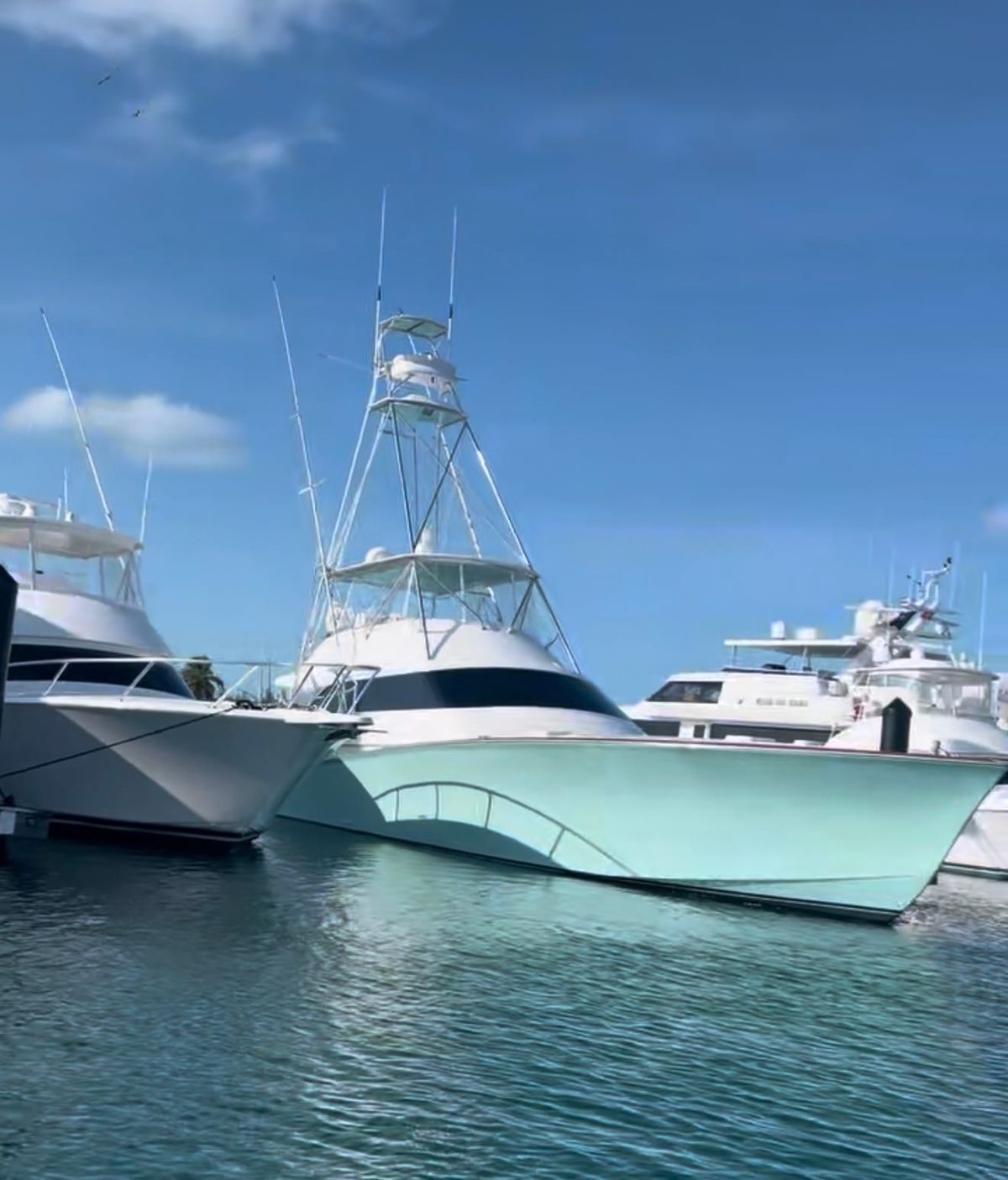
A large sportfish rigged and ready — the kind of boat that demands the right waterfront property before it ever leaves the dock.
Buying a waterfront home for a kayak is easy. Buying a waterfront home in St. Petersburg or Tierra Verde for a large center console or sportfish is a completely different search — and most agents have no idea what actually makes a property work for a boat like that.
I do, because I run a boat out of my own backyard. So when a serious offshore buyer tells me what they're keeping behind the house, I'm not looking at the kitchen. I'm looking at the handful of things that decide whether that boat lives here comfortably or whether this house is a beautiful mistake.
Here's what I check first.
1. Depth at the dock at low tide — measured against your draft
A big sportfish can draft four to five feet. A loaded center console with quads sits deeper than people think. The listing will brag about "deep water," but you're not floating in the middle of the canal — you're tied to this seawall, and depth at the dock at the lowest tide of the day is the only number that matters.
I want real soundings at the dock at low water, compared to your boat's draft with a safety margin. Negative low tides in Tampa Bay are real, and a boat that floats fine at noon can be sitting on the bottom at dawn. For a boat worth more than most people's houses, that's not a risk you guess at.
2. Can the dock physically take the boat — length, beam, and turning room
Depth is only half of it. A 45-footer needs dock length to tie up, beam clearance in the canal, and — the one people forget — enough turning basin to actually get the boat in and out without a three-point turn every trip. A canal that handles a 24-foot bay boat beautifully can be a white-knuckle nightmare for a 48-foot sportfish.
I look at usable dock length, canal width at the property, and whether you can maneuver a boat that size at your own dock on a windy day — not just on the calm afternoon you saw it.
3. Slip vs. lift — and the real loaded weight question
Many large sportfish boats and some larger center consoles live in the water rather than on a lift, which changes the checklist entirely. Instead of lift capacity, I'm looking at:
- Piling condition and spacing — can the dock structure handle the load and the windage of a tall boat
- Shore power — a big boat may want 50- or 100-amp service, not a standard household outlet, especially if it has systems running while docked
- Dockside water, and how you'll handle fuel
- Fendering and tie-up configuration for a heavy hull that can't just bounce off a piling
If it's a lift boat instead, capacity and cradle width have to match the loaded weight — and on these boats "loaded" is a lot more than the spec sheet. A boat's published weight and real-world weight are rarely the same. Fuel, water, batteries, ice, gear, and extra engines add thousands of pounds. A 16,000-pound lift may be perfect for one boat and undersized for another with the same advertised length. Always rate the lift against what the boat actually weighs ready to run, not what the manufacturer printed.
4. No fixed bridges — and clearance for the tower
For offshore boats this is non-negotiable. A sportfish with a tuna tower or a center console with a hardtop and outriggers needs not just no fixed bridges on the route, but real vertical clearance everywhere the boat travels. A bridge you forgot about two turns from the dock can cap your whole rig. A lift you can replace. A bridge you cannot.
5. Idle time to the pass — the number that decides your fishing
This is the one that separates a good fishing house from a great one. It's not "is there Gulf access" — it's how fast can you actually be in the Gulf and running to the grounds.
In southern Pinellas, the buyers I work with are measuring their morning by how quickly they can reach a pass — Pass-a-Grille, Bunces Pass near Tierra Verde and Fort De Soto, John's Pass up at Madeira Beach, or out through the mouth of Tampa Bay past Egmont Key. A home that puts you a few idle minutes from a pass means you fish on the days you actually have, not just the all-day trips. A home that's a 45-minute no-wake crawl to open water quietly costs you half your seasons.
That's why Tierra Verde keeps coming up for offshore buyers — fast, clean access toward the passes and the Gulf, with canals built for bigger vessels. But it's still property-by-property. I idle the route in my head (or in person) before I let a fishing buyer fall in love.
Which areas in Pinellas actually work for a big boat?
Most of the waterfront buyers I work with are comparing Tierra Verde, Yacht Club Estates, Treasure Island, St. Pete Beach, and waterfront neighborhoods in St. Petersburg. The right area depends as much on the boat as it does the house.
Tierra Verde is the first call for serious offshore boats — no fixed bridges, a direct shot toward Bunces Pass and the Gulf, and canals that were built wide. The tradeoff is a smaller inventory and a bridge toll to get on and off the island.
Yacht Club Estates in St. Petersburg sits on Boca Ciega Bay with deep-water access and clean routing for most offshore runs. It's a neighborhood serious boat buyers often overlook until I walk them through the actual numbers.
St. Pete Beach and Treasure Island canals vary widely — some neighborhoods work fine for a 40-footer, others are too shallow or too narrow once you leave the main waterways. You have to look property by property, not by zip code.
Waterfront homes in St. Petersburg on Tampa Bay — Snell Isle, Broadwater, Shore Acres — offer deep Bay access but typically a longer run to reach Gulf passes. For a bay boat or someone who fishes the Bay, that works. For a dedicated offshore sportfish, the math changes.
The math nobody runs until after closing
Here's the pattern I see: someone buys the prettiest house, then realizes their boat drafts too much for the dock at low tide, the run to the pass eats an hour, and the dock can't really take 48 feet of sportfish. None of that showed up in the photos. All of it shows up the first month they own it.
The boat and the house are two purchases that have to agree with each other. When they do, you've got a home that fishes the way you bought it to. When they don't, you've got a very expensive view and a boat you keep somewhere else. The whole gap between how a property looks and how it fishes is where the real value differences live — and it's the part I check before you ever write an offer.
Frequently Asked Questions
How deep does the water need to be for a sportfish or big center console?
It depends on the boat's draft — many large sportfish draft four to five feet, and loaded center consoles sit deeper than expected. What matters is the measured depth at that specific dock at low tide, with a safety margin over your draft, not the canal's average.
Should a big sportfish go on a lift or stay in a slip?
Many large sportfish boats and some larger center consoles stay in the water, which shifts the focus to piling strength, shore power (often 50–100 amp), dockside water, and tie-up configuration rather than lift capacity. If a lift is used, its rated capacity must match the boat's real loaded weight — fuel, water, batteries, ice, and gear — not the manufacturer's listed dry weight.
What's the most overlooked factor when buying a waterfront home for offshore fishing?
Idle time to the nearest Gulf pass. Direct Gulf access on paper means little if the run to open water takes 30–45 minutes at no-wake speed. Fast access to a pass — Pass-a-Grille, Bunces Pass, or John's Pass — is what determines how often you actually fish.
Which Pinellas areas are best for keeping a large offshore boat?
Tierra Verde is where serious offshore buyers start — no fixed bridges, fast access to Bunces Pass and the Gulf, wide canals. Yacht Club Estates in St. Petersburg is a strong alternative that buyers often overlook. St. Pete Beach, Treasure Island, and St. Petersburg waterfront neighborhoods each vary significantly by property, so depth, dock length, and bridge clearance need to be verified individually.
Do fixed bridges matter for powerboats?
Yes. A sportfish with a tuna tower or a center console with a hardtop and outriggers needs no fixed bridges on the route and real vertical clearance throughout. A low fixed bridge permanently limits what you can keep at that dock — long after the house is purchased.
More Questions Buyers Ask
What should I check before buying a waterfront home for a big sportfish or center console?
Deep-water dock, draft at mean low tide, slip versus lift, shore power, canal width and turning room, and fast idle time to the Gulf passes. The bigger the boat, the more each of these matters.
Is a boat lift or a slip better for a large sportfish or center console?
It depends on weight and draft. Big sportfish often need a slip or a heavy-capacity lift, so confirm lift capacity, dock length, and depth before you assume your boat works there.
How do I choose an agent who understands big-boat waterfront?
Look for someone who lives on the water and actually runs a boat. The things that decide a waterfront deal — canal depth at mean low tide, bridge clearance, seawall age, flood history by block — are not on the MLS sheet. Carly Majorana is a waterfront and luxury specialist at NextHome Gulf Coast and a CLHMS Guild Member serving St. Pete Beach, Tierra Verde, Treasure Island, and greater Pinellas County.
Read more
How to Sell a Waterfront Home in St. Pete (Seller's Guide)
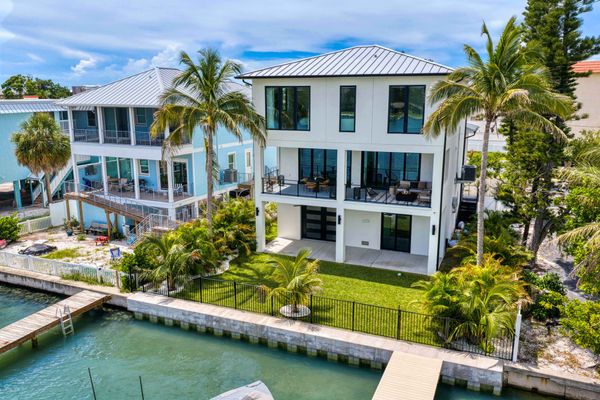
You hire an agent who's good at houses. The water is a different job. What the person selling your waterfront home in St. Pete needs to already know.
What Your Waterfront Home Is Actually Worth in St. Pete
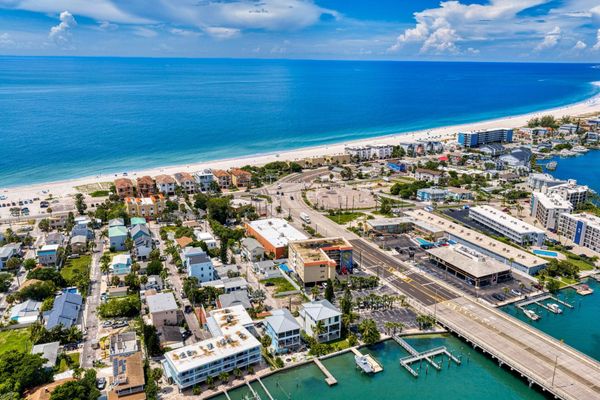
You looked up your house on Zillow. The number is wrong. What actually sets the price on a waterfront home in St. Pete, from someone who prices them.
Moving From California to St. Pete for the Boat Life
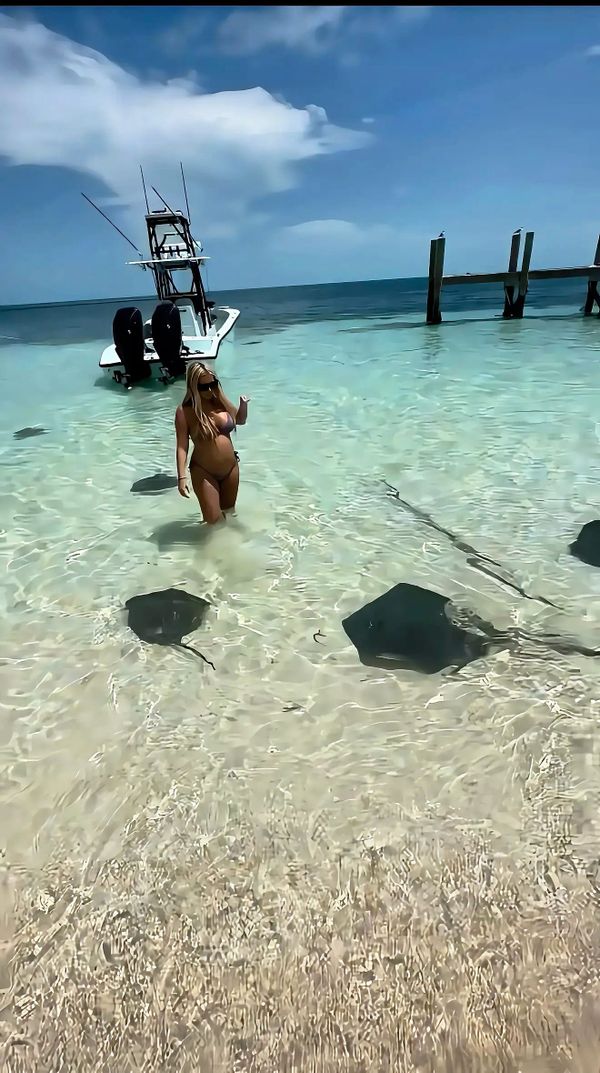
She messaged me on Facebook about moving from California. A year and a half, 20 houses and two hurricanes later, she pulled up next to me at the sandbar in her own boat.
Treasure Island vs. St. Pete Beach, to Actually Live In
I thought St. Pete Beach was the goal. We bought on Treasure Island because the lot was cheaper. What is different about living on each one, from someone who does.