What Is “Sailboat Water” And Why Do Waterfront Buyers Care So Much?
Most buyers nod politely when they see “sailboat water” in a listing. Most agents don’t explain it very well either. Here’s the real answer — and why it changes what a waterfront property is actually worth.



About the Author
Carly Majorana
Waterfront and luxury real estate specialist at NextHome Gulf Coast in St. Petersburg, Florida. CLHMS Guild Member. Specializing in the technical side of waterfront — seawalls, boat lifts, bridge clearance, and flood zones. Serving buyers and sellers in St. Pete Beach, Tierra Verde, Treasure Island, St. Petersburg, Bayway Isles, and Pinellas Point.
If you're searching for waterfront homes in St. Pete Beach, Tierra Verde, Treasure Island, or anywhere around Tampa Bay, you've probably seen the phrase "sailboat water" in listing descriptions.
Most buyers nod politely and pretend they know what it means.
Most agents don't explain it very well either.
Here's the real answer.
What does "sailboat water" actually mean?
Traditionally, sailboat water means water deep enough for a sailboat keel, no fixed bridges blocking access to open water, and navigable access to open water.
In practical terms, it usually means deeper canal depth, better boating functionality, easier Gulf or Intracoastal access, and fewer limitations on the size and type of boat you can keep.
But in Florida waterfront real estate — especially in Pinellas County — the term gets used loosely. Very loosely.
A listing can say "sailboat water" while conveniently ignoring tidal depth changes, bridge clearance, narrow canal width, long idle time to open water, and whether your actual boat fits there comfortably.
That's why street-level waterfront knowledge matters.
Why sailboat water changes property value
Not all waterfront property functions the same way.
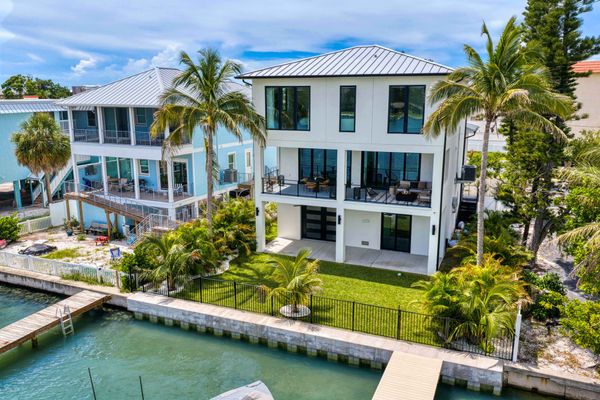
Two homes can be three streets apart, nearly identical in square footage, equally updated, equally "waterfront" — and still have dramatically different boating value.
Why? Because one may offer genuine deep water canal access, no fixed bridge, fast Gulf access, and navigable depth at low tide. While the other becomes shallow at low tide, limits larger vessels, requires bridge clearance compromises, and works better for paddleboards than offshore boats.
The listing photos rarely tell you this. The canal does.
A few months ago, I walked a waterfront property with buyers who were convinced they'd found the perfect setup for their center console. The house photographed beautifully. New dock. New lift. Great water view.
Then we checked the canal depth and bridge clearance.
By the end of the conversation, they realized they either needed a smaller boat or a different house.
That's the part of waterfront real estate buyers usually don't understand until after closing: not all "waterfront" functions the same way once you actually use the water.
What buyers misunderstand about canal depth
This is probably the single biggest misconception I see with waterfront buyers in St. Pete Beach and surrounding Pinellas County barrier islands.
People assume: "If there's a dock, my boat will work there."
Not necessarily.
Some canals in Pinellas County are naturally deeper, engineered for larger vessel access, dredged more consistently, and positioned better for Intracoastal access. Others are effectively tidal canals with depth limitations that become obvious very quickly once you actually try using the boat — especially during negative low tides.
And yes, that matters a lot more after you own the house than before you buy it.
Fixed bridge vs. no fixed bridge
This is another huge distinction buyers miss.
A fixed bridge means your boat has to physically fit underneath it to access open water. Bridge clearance matters for sailboats, larger center consoles, boats with towers, sportfish boats, and anything with significant height above the waterline.
Some waterfront homes technically have "boat access" in the same way a studio apartment technically has room for a treadmill.
That's why experienced boaters ask: Is there a fixed bridge? What's the clearance at high tide? What's the depth at mean low tide? How long is idle time to the Gulf? Is the canal actually navigable for my boat?
Nobody realizes this matters until after closing, when the boat they already own suddenly doesn't fit under the bridge.
Why Tierra Verde keeps coming up for serious boaters
Tierra Verde waterfront homes consistently attract serious boaters for one reason: the water access is operationally better than much of Tampa Bay.
Many Tierra Verde canals were engineered for larger vessel access and carry genuine sailboat water depth at mean low tide. Combined with fast Gulf access and established dock infrastructure, it's one of the strongest boating communities in southern Pinellas County.
That doesn't mean every property is perfect. But buyers prioritizing offshore fishing, larger center consoles, sportfish boats, sailboats, and quick Gulf access usually end up comparing Tierra Verde very closely against St. Pete Beach waterfront property.
St. Pete Beach waterfront: beautiful doesn't always mean functional
This is where buyers get surprised.
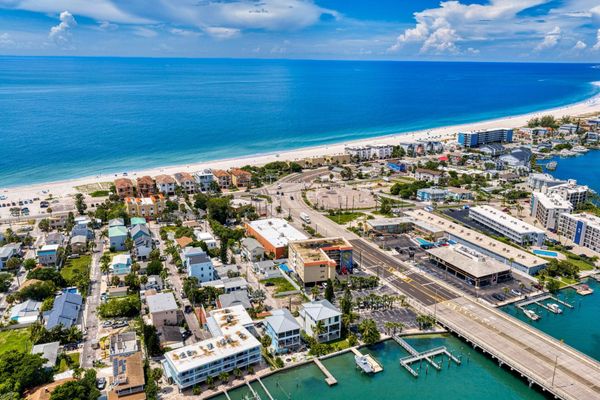
Some St. Pete Beach waterfront homes photograph beautifully but have shallow canals, slower Gulf access, narrow turning basins, and tidal depth concerns. Meanwhile another home a few blocks away may offer direct Intracoastal access, navigable depth, faster Gulf boating, and significantly better long-term boating usability.
This is why I evaluate canal depth, bridge clearance, seawall condition, dock permits, lift setup, idle time to open water, flood history, and elevation certificate documentation before recommending a waterfront property to a buyer.
Because waterfront ownership is not just about the view. It's about how the property actually functions.
What questions should you ask before buying waterfront property in Pinellas County?
Before buying any waterfront home in Pinellas County, ask: What is the canal depth at mean low tide? Is there a fixed bridge? What's the bridge clearance? How long does it take to reach open water? Has the canal been dredged recently? Does the dock have permits? What size boat did the previous owner keep there? Is there lift documentation? Is the seawall original? What flood zone is the property in? Is there an elevation certificate?
If your lifestyle revolves around boating, these answers matter more than cosmetic finishes. You're not just buying waterfront views. You're buying how usable the water actually is.
Frequently Asked Questions
Frequently Asked Questions
What is sailboat water in Florida real estate?
Sailboat water generally refers to deep navigable water with no fixed bridges restricting access to open water. In Pinellas County, the term is often associated with deeper canals suitable for sailboats, larger center consoles, and offshore boating.
How deep does water need to be for sailboat water?
There’s no exact legal definition, but many buyers consider 5+ feet at mean low tide to qualify as genuine sailboat water depending on vessel draft.
How do I find the water depth of a waterfront property?
Water depth can be verified through marine charts, depth surveys, tidal data, and local knowledge. Buyers should not rely solely on listing descriptions when evaluating waterfront usability.
Can canal depth change over time?
Yes. Sediment buildup, storms, dredging activity, and changing tidal conditions can affect canal depth over time. A canal that accommodated a boat years ago may not offer the same usability today.
What is a fixed bridge?
A fixed bridge is a bridge that does not open. If your boat is taller than the bridge clearance, you cannot pass underneath it to reach open water.
Is Tierra Verde better than St. Pete Beach for boating?
For serious offshore boating and larger vessels, Tierra Verde generally offers more consistent deep-water canal access and faster Gulf access. St. Pete Beach offers more walkability and lifestyle infrastructure. The right choice depends on what you’re actually prioritizing.
Why does canal depth matter?
Canal depth determines what type of boat you can realistically keep at the property, especially during low tide conditions. Shallow canals can severely limit boating usability and resale appeal for boating buyers.
Does sailboat water increase property value?
In many waterfront markets, sailboat water can command a premium because it offers unrestricted boating access and accommodates a wider range of vessels. The value impact varies based on location, water depth, and overall property characteristics.
Do listing photos show canal depth?
Almost never. Waterfront usability issues like tidal depth, bridge clearance, and canal functionality are rarely visible in listing photography. That’s exactly why I check these things before recommending a property.
Have questions about waterfront due diligence in Pinellas County? I'm happy to talk through what to look for before you make an offer.
More Waterfront Buyer Resources
Sailboat water is one of the features that can significantly impact waterfront property value. If you're researching waterfront homes in St. Petersburg, these articles may help you better understand what separates one waterfront property from another:
- Why Two Waterfront Homes on the Same Street Can Sell for $300,000 Apart
- What to Know About Boat Lifts Before You Buy Waterfront in St. Petersburg
- What Does a Seawall Inspection Cost in Pinellas County?
- What Does Waterfront Home Insurance Cost in Florida After the Hurricanes?
- The Waterfront Rule That Turned a House Into a Lot — how the 50% Rule decides renovate vs. rebuild
More Questions Buyers Ask
What is sailboat water in Florida real estate?
Sailboat water generally means deep, navigable water with no fixed bridges restricting access to open water. In Pinellas County it is associated with deeper canals suitable for sailboats, larger center consoles, and offshore boats.
How deep does water need to be for sailboat water?
There is no exact legal definition, but many buyers consider 5 or more feet at mean low tide to qualify as genuine sailboat water, depending on the boat's draft.
How do I choose an agent who understands sailboat water?
Look for someone who lives on the water and actually runs a boat. The things that decide a waterfront deal — canal depth at mean low tide, bridge clearance, seawall age, flood history by block — are not on the MLS sheet. Carly Majorana is a waterfront and luxury specialist at NextHome Gulf Coast and a CLHMS Guild Member serving St. Pete Beach, Tierra Verde, Treasure Island, and greater Pinellas County.