St. Pete Waterfront Homes: How to Buy Without Overpaying
Most buyers spend $600K–$2M in St. Pete and still miss why they moved here. Here's the version I give clients — not the polished one.


About the Author
Carly Majorana
Waterfront and luxury real estate specialist at NextHome Gulf Coast in St. Petersburg, Florida. CLHMS Guild Member. Specializing in the technical side of waterfront — seawalls, boat lifts, bridge clearance, and flood zones. Serving buyers and sellers in St. Pete Beach, Tierra Verde, Treasure Island, St. Petersburg, Bayway Isles, and Pinellas Point.
This is for buyers looking at waterfront or walkable homes in St. Petersburg in the $600K to $2M range — specifically the things that trip people up before they ever make an offer.
Homebuyer Wallet asked me to talk through how buyers get into St. Pete without wasting money on the wrong thing. They published that conversation here. This is the longer version.
What to ask before you start searching for homes in St. Pete
When someone tells me their budget, I don't immediately pull listings. I ask what a Tuesday looks like for them in five years.
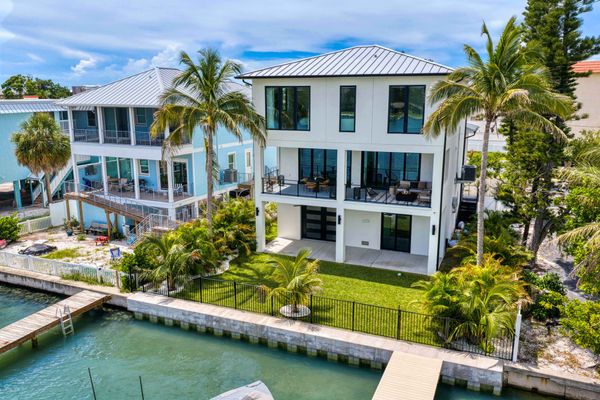
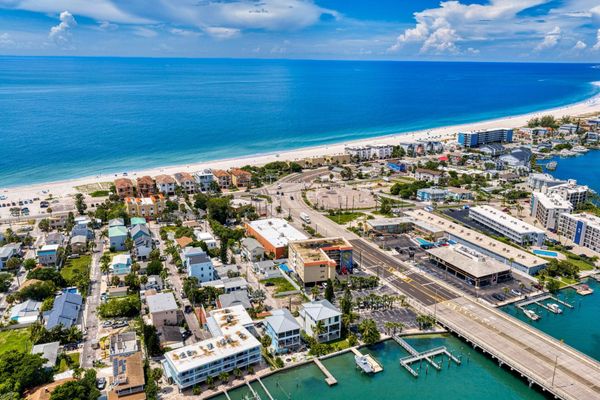
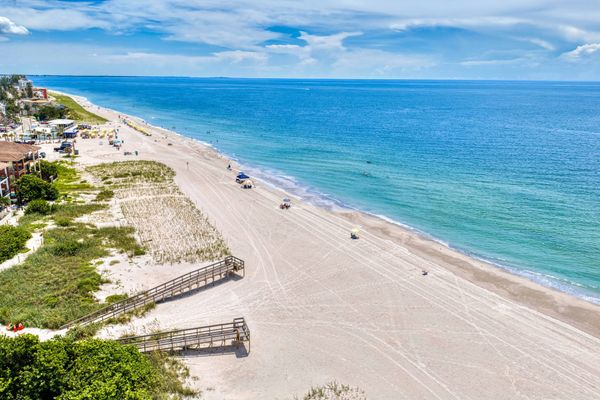
Do they want to leave the dock after work and be on open water ten minutes later? Walk to coffee, a restaurant, the beach? Do they need deep water or just a view? These aren't soft questions. They decide whether the house actually does the job or whether someone spent $800,000 on the wrong address.
Florida is not interchangeable. The same dollar buys completely different daily lives depending on where the house sits. Buyers who skip this step end up in the right price range and the wrong place.
You can fix a house. You can't fix where it is.
I steer buyers toward older homes in better locations almost every time. Kitchen, flooring, bathrooms — all fixable. You cannot move a house closer to the water after closing. You cannot build walkability into a neighborhood that doesn't have it.
I've walked buyers through well-finished houses in outer neighborhoods and watched them figure out six months later that they never use the boat because the marina is 20 minutes away. Or that the "waterfront lifestyle" they paid for is a retention pond off the back lanai.
The cosmetics are fixable. The address isn't.
How much cash do you actually need to buy waterfront in St. Pete?
The most common thing I hear from buyers is that they aren't ready because they don't have enough saved. Half the time that's not accurate.
Tools most buyers don't know to ask about:
Down payment assistance. Florida has first-time buyer programs that cover part of the down payment or closing costs. Not exotic. I use them.
Rate buydowns. In the right negotiation, you can get the seller to contribute toward buying down the interest rate. Drops the monthly payment without touching the purchase price.
Portfolio loans for condos. A lot of St. Pete condos don't qualify for conventional financing because of reserve levels, insurance structure, or building age. Portfolio lenders don't follow Fannie/Freddie rules. This reopens inventory most buyers can't access otherwise.
Physician loans. Medical professionals with student debt are usually eligible for programs that exclude that debt from the qualifying ratio and drop the down payment requirement significantly.
A buyer who preserves cash at closing has more flexibility on where they can actually afford to be.
Is it a buyer's market or seller's market in St. Petersburg right now?
Neither. Some listings in Tampa Bay have been sitting 90 to 120 days. Others go under contract in a week. The difference isn't random.
Properties that need work, have dated presentation, carry unresolved condo questions, or sit in weaker spots are seeing price reductions and real negotiating room. Good waterfront properties in strong locations with actual boat access — some of those still get clean offers fast.
Right now buyers who know what they want are getting price reductions, seller-paid closing costs, and real inspection terms. Two years ago, basically none of that was on the table.
Not every stale listing is a deal. Sometimes a property sits because the insurance is $40,000 a year, the HOA is a mess, or the seawall is done. Stale listings need more scrutiny, not less skepticism about the seller.
Are St. Pete waterfront condos worth buying right now?
Milestone inspection requirements and insurance volatility have pushed a lot of buyers away from condos entirely. That's created a window.
Buildings that completed Phase II Milestone inspections, built reserves to a defensible level, and dealt with deferred maintenance are getting lumped in with buildings that haven't done any of that — because buyers are pattern-matching on "condo equals risky." A well-run building with real reserves and a good waterfront location is a completely different situation than a building with underfunded reserves and a questionable insurance structure. The market isn't pricing them differently the way it should.
That's where the smarter deals are happening right now.
When conventional financing doesn't work on a condo because the building doesn't qualify, portfolio loans designed for non-warrantable buildings can reopen the door. I've done this. It works.
What does homeowners insurance cost on a waterfront home in St. Pete?
Buyers from Illinois, New York, New Jersey, California usually lead with "Florida has no income tax and property taxes are lower." Both true. Then they get an insurance quote.
In coastal Pinellas County, homeowners insurance, flood insurance (required in many zones, smart in most others), and condo master policy gap coverage add up fast. On a $1.2M waterfront home, the insurance stack alone can move the real monthly ownership cost by $1,500 to $2,500 versus what someone modeled going in.
Before making an offer on any property out here, get answers to these questions:
- What flood zone is it in? AE versus X is not a small difference.
- What does the elevation certificate show?
- Is the flood insurance grandfathered into old NFIP rates, or is it rated on current maps?
- If it's a condo, what does the master policy cover and what does the unit owner need to fill separately?
- What did the owner actually pay for insurance last year?
A cheaper house in a flood zone can cost more to own per year than a more expensive house with better elevation. Buy the property. Don't just buy the price.
The full breakdown: What Waterfront Home Insurance Actually Costs in Florida.
Is Sunset Beach St. Pete a good investment after Hurricane Helene?
I'll own this one: Sunset Beach is one of the better long-term plays in this market and most buyers are still driving past it.
Helene put water in homes there. That's real. But here's what changed: the city rule that limited bringing fill dirt in to elevate lots is gone. Property owners can now rebuild elevated, to a standard that changes the outcome in the next storm.
The geography doesn't change. Sunset Beach is a narrow strip with the Intracoastal on one side and the Gulf on the other. You can't build more of it. Post-storm pricing plus new elevation flexibility plus that geography is a different equation than "storm-damaged neighborhood" implies.
Not for every buyer. For someone with a longer timeline, a realistic budget for building or renovating correctly, and the ability to look past current perception — it's worth a real conversation. More here: Vacant Lots in Sunset Beach FL After Helene.
What to check before making an offer on a waterfront home in St. Pete
Before we write anything, I'm looking at:
Ownership cost — the whole number. Not just purchase price but insurance, HOA, flood exposure, and realistic capital expenses in the next five years.
Water access for the actual boat. Depth at mean low tide at the specific dock. Bridge clearances on the route out. Lift capacity. Not the listing description — the real numbers. Can My Boat Fit Here?
Seawall. Age, cap condition, signs of erosion behind the wall. Full seawall replacement in Pinellas runs $600 to $1,500 per linear foot. What a Seawall Inspection Costs in Pinellas County.
Financing structure. What tools can reduce cash-to-close or the monthly payment without changing the purchase price?
Market position. Is this priced to move or has it been sitting for a reason?
Most agents open the door and point at the view. I start earlier. What to Know Before Buying a Waterfront Home in St. Pete Beach.
FAQ: Buying Waterfront in St. Petersburg, FL
How long does it take to close on a waterfront home in St. Pete?
Financed deals typically close in 30 to 45 days. Cash deals can close in 14 to 21 days. Condos or non-warrantable buildings take longer depending on lender review. Having financing fully pre-approved before you make an offer is the single biggest thing that speeds the timeline.
What is the biggest hidden cost of buying a home in coastal Florida?
Insurance. In Pinellas County, homeowners insurance, flood insurance, and any condo master policy gap coverage can add $8,000 to $30,000 or more per year. Always get a property-specific insurance estimate before you're emotionally attached to the house.
Is it a buyer's market or seller's market in St. Petersburg right now?
Neither. Some listings sit 90 to 120 days with real negotiating room. Others in strong waterfront spots still get clean offers fast. It depends entirely on the specific property and whether you're ready to move when something good shows up.
Are there down payment assistance programs for buying in St. Pete?
Yes. Florida has first-time buyer programs, and tools like rate buydowns, portfolio loans, and physician loan programs can reduce how much cash you need at closing. If you're assuming 20% down plus full closing costs, check with a lender who knows this market first.
Is Sunset Beach St. Pete a good investment after Hurricane Helene?
For buyers with a longer timeline and some tolerance for current perception, yes. The city rule limiting fill dirt for lot elevation is gone. Property owners can now rebuild elevated. The geography (Intracoastal on one side, Gulf on the other) doesn't change. Post-storm pricing plus rebuilding flexibility is a different equation than it looks from the outside.
What should I check before buying a waterfront condo in St. Pete?
Ask for the Milestone Inspection report, reserve study, current reserve funding percentage, master insurance policy, any special assessments from the past three years, and the HOA budget. Ask whether the building qualifies for conventional financing. If it doesn't, ask whether a portfolio lender can make it work. The building's financials matter as much as the unit.