Florida Condo Crisis: Are St. Pete Condos Finally a Good Deal?
The Florida condo crisis was real. Here's why it's turning into an opportunity in St. Pete, and the lending rule buyers don't see coming.

About the Author
Carly Majorana
Waterfront and luxury real estate specialist at NextHome Gulf Coast in St. Petersburg, Florida. CLHMS Guild Member. Specializing in the technical side of waterfront — seawalls, boat lifts, bridge clearance, and flood zones. Serving buyers and sellers in St. Pete Beach, Tierra Verde, Treasure Island, St. Petersburg, Bayway Isles, and Pinellas Point.
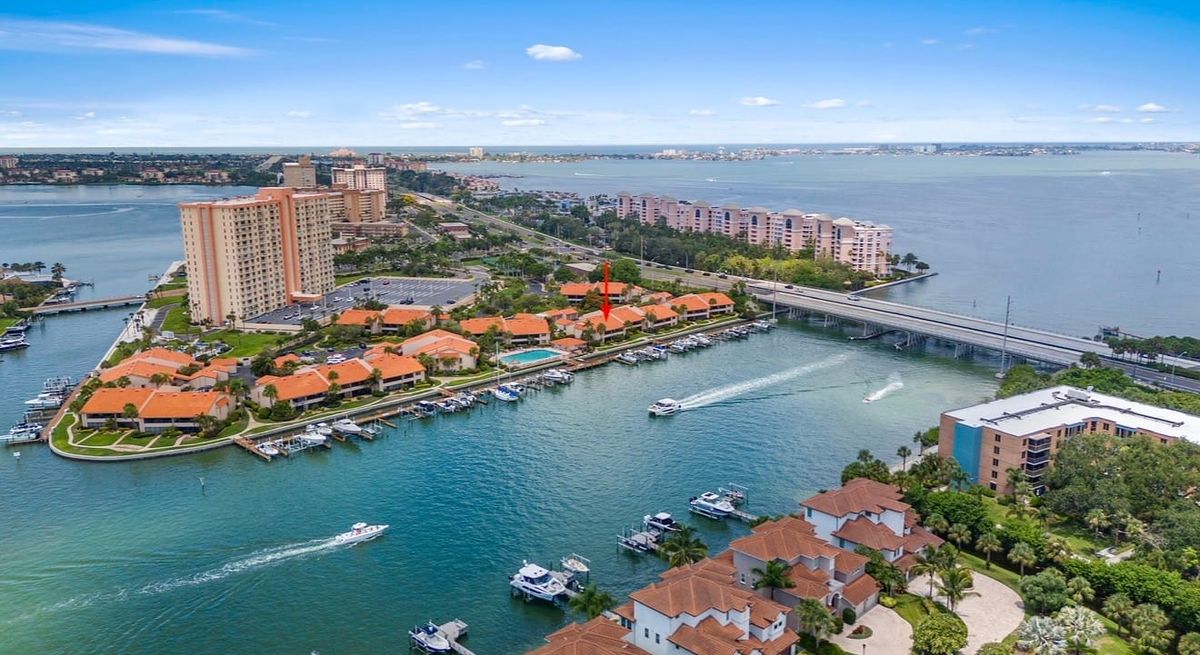
I own a waterfront condo in St. Pete, and similar units in my building are selling for hundreds of thousands less than they were a few years ago. As a condo owner, obviously I don't love that. But as a Realtor looking at opportunities for buyers, I find it pretty interesting.
The Florida condo crisis was very real, and some buildings are still dealing with it. But I think we're finally getting to a point where there are some opportunities worth paying attention to.
Where the Florida condo crisis came from
It really started with Surfside. After the Champlain Towers South collapse in 2021, Florida passed new laws requiring structural inspections and better financial planning for condo buildings.
Basically, the state wanted to make sure buildings weren't falling apart and that associations actually had money set aside to maintain them. Seems reasonable, although apparently we needed an actual disaster to get there.
The new requirements included milestone inspections, which check the structural condition of aging buildings, and something called a Structural Integrity Reserve Study (SIRS).
The SIRS looks at the expensive stuff like roofs, structure, plumbing and waterproofing, and figures out how much money the association should be setting aside for future repairs and replacements. On a waterfront building, add the seawall and the docks to that list. Those are usually the two biggest numbers nobody budgeted for.
The problem was that plenty of condo associations had been keeping monthly fees low for years by not saving enough money for these expenses. Once the inspections and studies started coming back, some buildings realized they needed millions of dollars for repairs or reserves.
And unfortunately, that money doesn't just appear. It comes from the condo owners.
Then insurance got ugly at the same time. Master policies on coastal buildings more than doubled between 2022 and 2024, and some carriers dropped buildings entirely. That bill gets split among owners the same way an assessment does. Then Helene and Milton hit two weeks apart in 2024, because apparently Florida hadn't had enough going on.
Monthly fees went up, special assessments started rolling in, and a lot of owners decided they'd rather sell than write another check. Suddenly there were more condos on the market and a lot fewer people excited about buying them.
Why I think things are getting better for buyers
Before all of this, buying into an older condo building could be a bit of a guessing game. You could walk through a gorgeous waterfront unit, love everything about it, and have no idea that the association had been putting off expensive repairs for the last decade.
Then a year later you'd get a letter telling you that your portion of the repairs was $40,000.
Now, thanks to these inspections and reserve studies, we have a much better idea of what buildings actually need and what it's going to cost. It's transparency. The problems were always there, you just didn't get to see them until after closing.
The main deadline for completing the reserve studies was December 31, 2025, although certain buildings have until the end of 2026. Associations are also generally required to fund reserves for important structural repairs instead of continuing to put them off.
Does this mean every building is in good shape? Absolutely not. Some have serious problems, and I wouldn't touch them. A completed inspection doesn't guarantee there won't be surprises, either.
But I'd much rather know a building needs $3 million in repairs before buying into it than find out afterward.
I also always tell buyers to read the board meeting minutes, because the seller isn't always going to be upfront. I've had sellers flat-out lie to me and to their own listing agent about assessments they already knew were coming. The inspection reports tell you what the building needs. The minutes tell you what the board is actually talking about, including the assessment that hasn't been voted on yet and the one the seller "forgot" to mention.
And yes, you'll almost certainly get some resident drama mixed in, so grab your popcorn. You'll find everything from who's fighting over the wind chimes to whether the building is discussing a $40,000 assessment. Obviously, one of those is slightly more important.
The prices are where things get interesting
Here's where I actually sit right now.
I have willing buyers. They see these condos sitting for 200 days and they want a deal. They come in at 35% under list because, I mean, it's been sitting, right?
Then I have sellers who are standing firm. Not negotiating. At all. The unit's been on the market since spring and they still won't come off the number.
And I'm in the middle going, okay, somebody has to move.
Sellers need to come to reality. The 2022 price is gone and sitting there waiting for it to come back is not a strategy. Buyers need to know it's not a free-for-all either. Most of these condos aren't overpriced by 35%. There's just a ton of inventory, so everything sits, and sitting isn't the same as desperate.
Every once in a while you'll find a seller who's actually done and you get a real steal. Mostly, though, you're already paying a lot less than the last person did.
You're asking for a deal on the deal.
The buildings that interest me most are the ones that already did their inspections, dealt with their assessments, and are still selling lower because buyers are nervous about Florida condos in general.
There's also the mortgage issue nobody thinks about
When you buy a house, the lender looks at your finances and the property. When you buy a condo, the lender also has to look at the entire condo building and its association.
So you could have an 800 credit score and 50% down and still have trouble getting a mortgage.
Not because of you, but because of the building.
Lenders want to know whether the association has enough money saved, whether the building is properly insured, and whether there are major repairs or financial problems that could create issues down the road.
In 2026, Fannie Mae and Freddie Mac tightened this. Starting in August, most buildings over 10 units lost what was called the "limited review," which used to let a buyer with a big down payment skip the deep dive into the association. Now the building gets the full review no matter how much you're putting down. That means the lender is looking at:
- Reserves. The budget has to set aside at least 10% for reserves, and that goes to 15% in January 2027.
- Insurance. If the building's master policy has a deductible over $50,000 per unit, or coverage that doesn't meet their standards, the building is out.
- Deferred maintenance, pending litigation, and any special assessments the board hasn't paid off yet.
Not everything got stricter. Buildings with 10 units or fewer are exempt from most of this, and they dropped the old limit on how many units can be investor-owned.
If a building doesn't pass, you'll hear it called non-warrantable. That's just lender language for a condo that doesn't qualify for a conventional Fannie or Freddie loan.
It doesn't mean you can't buy it. There are lenders who specialize in financing these condos, although you may need a larger down payment or pay a higher interest rate. And cash buyers can have some pretty good negotiating leverage when financing is difficult.
If you're buying a condo in St. Pete
Have a lender do a preliminary check on the building before you make an offer. I'd rather find out there's a financing issue before you've mentally furnished the balcony and picked out the boat for the slip.
This is one situation where I really want a lender who deals with Florida condos every day. I don't want someone learning what a SIRS is for the first time while my buyer is under contract.
If you don't have one, I know a great one who specializes in Florida condo financing and can honestly school me on some of this stuff. Which is humbling, considering this is what I do for a living, but useful. I'm happy to connect you.
Same goes for your agent. A condo deal isn't a house deal with a smaller yard. There's the estoppel, the approval process, the questionnaire, the reserve study, the minutes, the insurance, the warrantability question. If your agent hasn't done a lot of these, you'll find out what they don't know right around the time it costs you something.
You'll also want to review the building's:
- Milestone inspection and SIRS
- Budget and reserves
- Insurance
- Special assessments, approved or pending
- Board meeting minutes
- Who owns the docks and slips (deeded, assigned, or first-come), and whether the seawall is in the reserve study
I go through all of that in what I check before you buy a waterfront condo in St. Pete.
And don't get so focused on the cheapest condo that you forget what it costs to own it.
A $450,000 condo isn't automatically a better deal than a $600,000 one. If the cheaper building has a major assessment coming and monthly fees that are about to increase, that price difference can disappear pretty quickly.
Waterfront adds another layer. In my building, only certain units have the water view, the boat lift, and the garage. The ones with all three sell for about double the ones without. So two units in the same building with the same square footage can be two completely different purchases, and an online estimate has no idea.
The purchase price is just the first number. The monthly fees, the building's financial condition, and whatever the board is about to vote on are the rest of it.
Low fees aren't always a deal. Sometimes they're just the bill showing up later.
If you're selling a condo in St. Pete
Find out your building's financing status before you list. If your condo is in a building that qualifies for conventional financing, that's actually worth advertising right now.
Have the inspection reports and financial documents ready for buyers.
And for God's sake, hire someone who's sold condos. A lot of them. Not a house agent who's "done a few." Condos have their own paperwork, their own financing problems, their own approval process, and a hundred little idiosyncrasies that will blow up a deal three weeks in if your agent doesn't know to look for them.
And please price your condo based on what's actually selling today, not what your neighbor got in 2022.
Believe me, I get it. I own one, too. I'd also prefer those prices, but unfortunately that's not how this works.
I don't think every Florida condo is a great deal right now, and there are certainly buildings I'd avoid. But I do think there are opportunities that weren't available a few years ago, if you actually read the paperwork.
Florida condo crisis FAQ
Is the Florida condo crisis over?
Mostly, building by building. The main SIRS deadline passed at the end of 2025, so most associations now have their inspections and reserve studies done. Some buildings came out of it in good shape. Others still have big repair bills ahead. The difference is you can now read the reports before you buy.
What caused the Florida condo crisis?
The Surfside collapse in 2021 led to new state laws requiring milestone inspections and Structural Integrity Reserve Studies. Buildings that had kept fees low by skipping reserves suddenly owed millions, insurance premiums more than doubled, fees and assessments went up, owners sold, and inventory piled up. Hurricanes Helene and Milton in 2024 made it worse.
What is a non-warrantable condo?
A condo in a building that doesn't meet Fannie Mae and Freddie Mac's requirements for a conventional mortgage, usually because of reserves, insurance, pending litigation, deferred maintenance or owner-occupancy ratios. The buyer can be perfectly qualified and still get declined because of the building.
Can I get a mortgage on a non-warrantable condo?
Often, yes. Some lenders offer portfolio or non-QM loans for non-warrantable buildings. Expect a bigger down payment and a higher rate than a conventional loan. Cash is the other option, and cash buyers have leverage in buildings where conventional financing isn't available.
What changed with condo lending rules in 2026?
Fannie Mae and Freddie Mac eliminated the limited review for most buildings over 10 units in August 2026, so putting 50% down no longer skips the full review of association finances, reserves and insurance. Buildings with 10 units or fewer are exempt, and the investor-ownership cap was dropped. Reserve requirements go from 10% to 15% in January 2027.
Are St. Pete condos a good deal right now?
Some are. Prices in many waterfront buildings are well below their 2022 and 2023 peaks, but most listings aren't overpriced by 35%, so a lowball that size usually goes nowhere. The best opportunities are buildings that finished their inspections, handled their assessments, and are still selling lower because buyers are nervous about Florida condos in general.