Why St. Pete Beach Condos Are Sitting in 2026
A bare lot in Belleair Shores just listed for $38.5M while older beach condos sit for 100+ days. Same water, two markets. Here is what the condo rules actually mean for you.

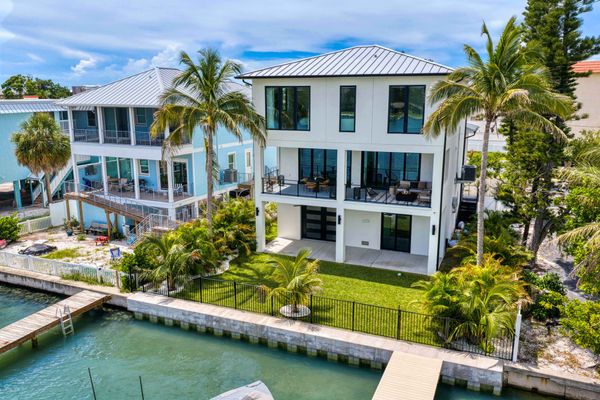
There is a bare lot in Belleair Shores on the market right now for as much as $38.5 million. The two houses that used to sit on it are already gone. What is left is 160 feet of Gulf frontage and the right to build something new. If it sells anywhere near that number, it more than doubles the Pinellas County record set back in 2019.
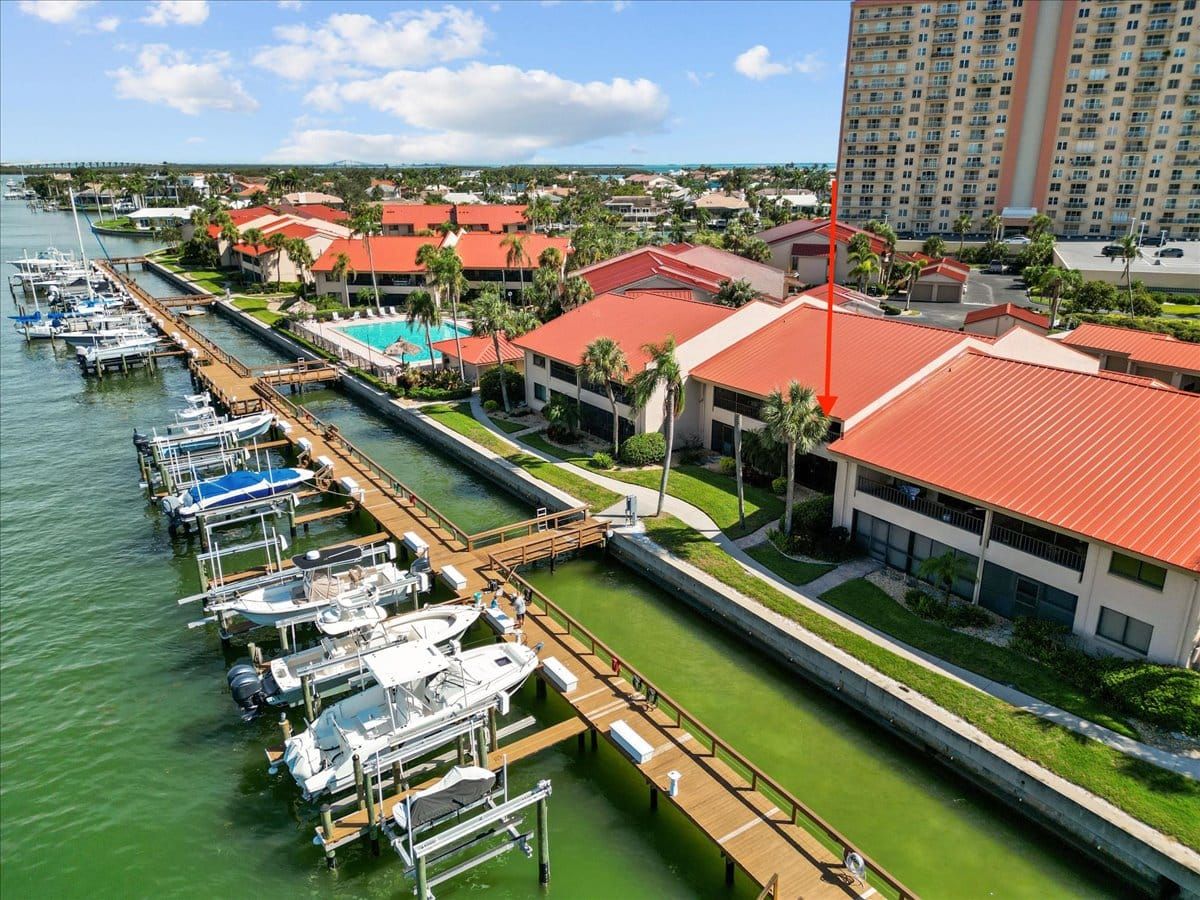
A few miles south, a 40 year old beach condo with a fresh coat of paint and a great view has been sitting for over 100 days with no offers.
Same coastline. Same water. Two completely different markets. If you own a condo out here, or you are thinking about buying or selling one, that gap is the whole story right now, and almost nobody is explaining why it exists.
The short version, if you are skimming: Beach condos are sitting (roughly 8 months of supply, 100 plus days on market) while buildable waterfront land sets records. The view is not the problem. The building's paperwork is. Florida now requires milestone inspections and a funded reserve study on older condo buildings, and the deadline is December 31, 2026. Buyers are pricing that in to the dollar. If you are selling a condo, you walk in with the reserve and inspection documents or you sit.
Why are St. Pete Beach condos taking so long to sell?
Because buyers are no longer paying for the view. They are underwriting the building, and older buildings now come with a bill nobody used to read.
Here is the number that matters. As of the June 2026 data, condos and townhomes across Pinellas are sitting at roughly seven and a half to eight months of supply, with a median of about 102 days on market, up from 89 a year ago. Single family homes are in a different world entirely, three to four months of supply and around 70 days. On the beaches specifically, condos sat 72 to 104 median days in June while single family homes on Treasure Island cleared in eleven.
Buyers are not scared of these buildings. They are pricing them carefully. And the thing they are pricing is not the water. It is the cost and the certainty of owning the concrete around it.
What is the December 31, 2026 condo deadline everyone keeps mentioning?
Florida now requires a milestone inspection and a funded structural reserve study on older condo buildings, and the clock runs out at the end of this year.
After the Surfside collapse, Florida changed the rules on condo buildings three stories and taller. Two things now matter more than your countertops:
- The milestone inspection. A structural engineer inspects the building's bones. Older buildings near the coast are the ones under the gun.
- The Structural Integrity Reserve Study (SIRS). Associations have to study the major structural components and actually fund reserves to fix them. No more waiving reserves to keep dues artificially low. The SIRS with milestone deadline is December 31, 2026.
What that means in plain English: higher monthly HOA dues to fund the reserves, and a very real chance of a special assessment landing on current owners. A special assessment is the new comp on the beach. It is the number that quietly decides whether a condo sells or sits.
Why is an empty lot worth more than the condo next door?
Because new construction skips almost everything that is dragging on older coastal property.
When someone buys a waterfront lot they can build on, they step around three problems at once:
- The 49% rule. St. Petersburg enforces substantial improvement limits. Renovate more than 49% of a flood zone home's value in a rolling 12 month window and you have to bring the entire structure up to current flood code. New construction starts compliant. (Full breakdown here: the waterfront rule that turns a house into a lot.)
- Flood premiums. A new home built to elevation requirements insures dramatically cheaper than an old slab on grade block house sitting low to the water. (What that document actually costs you: the elevation certificate.)
- The aging building problem. No milestone inspection. No reserve study. No looming special assessment. A clean start.
That is why teardown dirt with deep water or Gulf frontage keeps setting records while finished older product sits. The improvement has become a discount to the land. On the water right now, the view appreciates and the building around it depreciates on a schedule the state now enforces. (If the land side is interesting to you, this is the same logic playing out one island over: vacant lots in Sunset Beach.)
The document checklist I run before anyone writes on a condo
If you are buying an older beach condo, or selling one, these are the papers that decide the deal. Get them in hand before you fall for the water.
- The milestone inspection report. Has it been done? What did it find? What is still open?
- The SIRS and the reserve schedule. Are reserves actually funded, or has the association been waiving them for years to keep dues low?
- Special assessment history and anything currently being voted on. A cheap purchase price with a $40,000 assessment behind it is not cheap.
- The last two years of HOA financials and meeting minutes. The minutes are where the assessment nobody wants to talk about shows up first.
- The insurance picture on the building. Master policy, wind, and flood. This is where a lot of the dues increases are coming from.
What a looming assessment actually looks like in a real deal
After the hurricanes, I had a $2 million condo listing with a problem I could not put a clean number on. The building had a special assessment coming. Everyone knew it was coming. What nobody had was the exact figure, because the board had not finalized it yet.
I could have crossed my fingers and hoped no buyer asked. Instead, the buyer's agent and I did the actual work. We went through the meeting minutes, we talked to the board president, we pieced together what the major projects were really going to cost. We landed on a number both sides could trust, right around $40,000.
That number did not kill the deal. It made it. Once everyone was working from the same honest figure instead of a scary rumor, we negotiated around it and closed. The buyer knew exactly what they were walking into. My seller did not get ambushed by a last minute "but what about the assessment" that blows up a closing.
That is the whole point. A looming assessment is not automatically a dealbreaker. An unknown one is. The difference is whether someone bothered to read the minutes and make the calls before a rumor turned into a standoff. That is most of my job on a condo right now.
What do the insurance changes mean for waterfront owners?
Three separate clocks are ticking, and they are not moving in the same direction. Flood is getting stricter. Wind is actually loosening.
- NFIP is only funded through September 30, 2026. The National Flood Insurance Program has been running on short term extensions, and the current one expires at the end of September. If it lapses, FEMA stops writing and renewing policies, and you cannot close a financed home in an AE or VE flood zone without one. Nearly every waterfront deal on the beaches and in Tierra Verde needs a flood policy bound at closing. If you are buying or selling a financed waterfront home this fall, aim to close before September 30 or line up a private flood carrier early. Most agents will not mention this until September. That is a mistake.
- Citizens now mandates flood coverage on higher value homes. As of January 1, 2026, Citizens requires flood insurance on any policy with a dwelling replacement cost of $400,000 or more, regardless of flood zone, including Zone X. It expands to every Citizens policyholder on January 1, 2027. Note that replacement cost is what it costs to rebuild, not market value. Even a modest older waterfront home can cross $400,000 to rebuild, which pulls it into the mandate even in a lower risk zone. The old assumption that Zone X means you are off the hook for flood is now wrong.
- Homeowners premiums are actually softening. For the first time in years, following state tort reform, several carriers have filed 5 to 10% rate reductions and new insurers are entering the market. If you passed on a home a year ago over an insurance quote, or you are about to auto renew, re run the numbers. The market moved and your renewal may not reflect it. (The honest, real number version lives here: what waterfront home insurance actually costs in Florida.)
How do I choose a waterfront agent who actually understands the condo rules?
Short answer: find someone who reads the reserve study before they show you the view.
Any licensed realtor in St. Petersburg can pull comps and open a lockbox. The thing that decides a condo deal in 2026 is not on the MLS sheet. It is in the milestone report, the reserve schedule, and the meeting minutes. Reading those and telling you what they do to the price is a different skill than finding listings.
That is what a waterfront real estate agent in St. Pete Beach should actually be doing right now. Not just showing you condos. Telling you which building is funded and which one is one board vote away from a $40,000 bill.
I am Carly Majorana, a waterfront specialist at NextHome Gulf Coast. I live on this water, I run a boat out of it, and I have closed tens of millions in Gulf Coast waterfront sales. If you are buying or selling a condo or a waterfront home in St. Pete Beach, Tierra Verde, or Treasure Island, send me the address before you get attached. I will tell you what the listing will not. (Bigger picture on the whole market this month: the June 2026 market report.)
So should you still buy a beach condo?
For the right buyer, absolutely. This is a leverage market for condos, which is exactly why the homework matters.
Condo buyers have something they have not had in years: time, inventory, and room to negotiate. That is a real opportunity. It only turns into a mistake if you buy the view and inherit the paperwork you never read. Get the milestone status, the reserve schedule, and the assessment history in front of you first, price the building honestly, and a slow condo market becomes the best deal on the beach.
The waterfront did not get less valuable. It got more specific. The premium is on land you can build on and buildings with a clean, funded, current story. The discount is on aging buildings with unanswered questions. Know which one you are looking at before you make a move.
If you are eyeing a condo out here, send me the building. I will pull the paperwork and tell you straight which side of that line it sits on.
Frequently Asked Questions
Why are beach condos in Pinellas County sitting on the market in 2026?
Beach condos sat 72 to 104 median days in June 2026, and condos countywide are at roughly eight months of supply, because of Florida's post Surfside rules. Milestone inspections, mandatory reserve funding through the Structural Integrity Reserve Study, higher HOA dues, and the threat of special assessments have buyers pricing older buildings carefully. It is a leverage market for condo buyers, not a value collapse.
What is the December 31, 2026 condo deadline in Florida?
Florida requires condo buildings three stories and taller to complete a milestone structural inspection and a funded Structural Integrity Reserve Study (SIRS). The SIRS with milestone deadline lands December 31, 2026. Associations can no longer waive reserves, which is driving higher dues and, in many buildings, special assessments on current owners.
Why is empty waterfront land selling for record prices while condos sit?
A buildable lot skips the problems dragging on older coastal property: the 49% substantial improvement rule, high flood premiums on low slab homes, and the aging building costs of milestone inspections and reserves. A teardown double lot in Belleair Shores listed this month for up to $38.5 million, which would more than double the county's 2019 record. On the water right now, the land is often worth more than the structure on it.
Should I get a special assessment check before buying a beach condo?
Yes. Before writing an offer, pull the milestone inspection report, the SIRS and reserve schedule, the special assessment history and anything currently being voted on, the last two years of HOA financials and meeting minutes, and the building's insurance picture. A low purchase price with a $40,000 assessment behind it is not a low price.
How does the September 30, 2026 NFIP deadline affect a waterfront closing?
The National Flood Insurance Program is only funded through September 30, 2026. If Congress lets it lapse, FEMA stops writing and renewing policies, and you cannot close a financed home in an AE or VE flood zone without flood coverage. If you are buying or selling a financed waterfront home this fall, target a close before September 30 or line up a private flood carrier early.
Do I need flood insurance on a Zone X waterfront home in 2026?
Possibly, yes. As of January 1, 2026, Citizens requires flood coverage on any policy with a dwelling replacement cost of $400,000 or more regardless of flood zone, including Zone X, and the requirement expands to all Citizens policyholders on January 1, 2027. Replacement cost is rebuild cost, not market value, so even a modest older waterfront home can cross the threshold. The old rule of thumb that Zone X means no flood insurance no longer holds.