SIRS Reports and St. Pete Beach Condos: What Buyers Miss
The reason beach condos are sitting isn't the kitchen. It's a PDF most buyers never ask to see, and the two-year reserve pause that's hiding inside it.

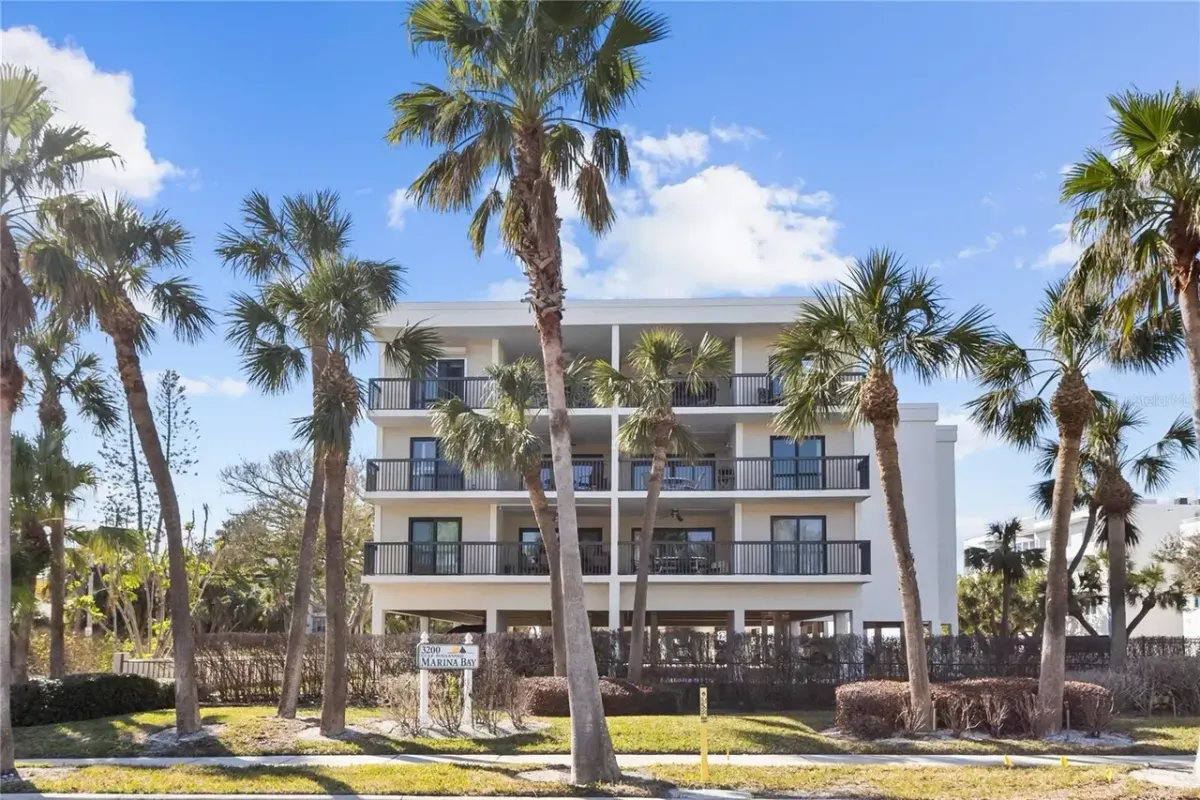
Most agents will tell you the beach condo market is soft right now and that makes it a buying opportunity. That's half true. It is soft. But the reason it's soft is sitting in a PDF that most buyers never ask to see, and if you don't read it before you write an offer, you're not buying a condo. You're buying somebody else's deferred maintenance.
The PDF is called a Structural Integrity Reserve Study. Everyone calls it a SIRS. It is the single most important document in a Florida condo purchase right now, and it is the one buyers skip.
What a SIRS actually is
After Surfside, Florida stopped letting condo associations pretend their buildings would last forever. Senate Bill 4-D in 2022, then SB 154 in 2023, created two requirements that now govern almost every beach condo you're looking at.
The milestone inspection is a structural inspection of the building itself. If your building is three or more habitable stories and sits within three miles of the coast, it triggers at 25 years old. Farther inland, 30 years. Then it repeats every 10 years.
Read that again if you're shopping St. Pete Beach. Every building on this island is within three miles of the coast. Every one of them. The 25-year clock is the one that applies here, and most of our beach inventory cleared 25 years a long time ago.
The SIRS is the money half. It's a study of the building's major components, the ones that keep it standing and dry: roof, structure, fireproofing, plumbing, electrical, waterproofing, windows, and exterior doors. An engineer or licensed reserve specialist puts a remaining life and a replacement cost on each one, and then calculates what the association needs to be socking away every year to cover it.
That number is the whole story. It's not an estimate of what the building might need someday. It's an accounting of what it already owes.
The 2025 law change that most people got wrong
House Bill 913 took effect July 1, 2025, and a lot of coverage framed it as Florida walking back the condo safety rules. It didn't. It made them more workable, which is not the same thing.
Here's what actually changed, and what it means when you're reading a building's paperwork:
- The SIRS deadline moved to December 31, 2025. It used to be the end of 2024. That deadline has now come and gone, which means as of today, a building either has a completed SIRS or it is out of compliance. There's no more "we're working on it."
- The threshold changed to three habitable stories. Not just three stories. Parking on the ground floor doesn't count toward the number the way it used to, which pulled some smaller buildings out of the requirement entirely.
- Reserves can be paused, but only barely. An owner-controlled association can vote by majority to pause or reduce reserve contributions for up to two consecutive annual budgets, and only if a milestone inspection was completed in the previous two years. That option closes for budgets adopted after December 31, 2028.
- Associations can now borrow. They can fund reserves through a special assessment, a line of credit, or a loan, with a majority vote.
- Repairs have a clock on them. Counties now have to require associations to start repairs within 365 days of receiving a phase two milestone report.
That third bullet is the one to sit with. A two-year pause on reserve contributions is not relief. It's a payment plan on a bill that keeps growing. If you're reading a budget that shows a reserve pause, you're reading a building that couldn't afford its own repairs and voted to think about it later. You will be an owner when later arrives.
The part that actually kills deals: financing
Here's what nobody warns buyers about until it's too late.
Fannie Mae and Freddie Mac keep a list of condo projects they won't back loans in. It's usually called the unavailable list, though everyone in the business calls it the blacklist. Hundreds of Florida buildings are on it, and a building lands there for exactly the reasons this post is about: significant deferred maintenance, an unfunded structural repair, a missing or damning inspection report.
When a building goes on that list, conventional financing disappears. Not "gets harder." Disappears. Which means the only buyers left are cash buyers, and cash buyers know they're the only ones left, so they price accordingly.
This is the actual mechanism behind those beach condo listings that have been sitting for eight months with three price cuts. It usually isn't the kitchen.
What I do before I let a buyer write an offer
Three things, always, and I'd rather lose a week than skip them.
1. I pull the SIRS and the milestone inspection report. Both. Not the summary, not what the listing agent says they say. The documents. If the association is slow to produce them or the manager gets cagey about it, that is itself the answer and I've learned to treat it that way.
2. I check the building's financing status before we get emotionally involved. A loan officer can find out in a day whether a project is warrantable and whether it's on the unavailable list. Doing this first has saved my buyers from falling in love with units they could never have financed. It's an unglamorous phone call that has never once been a waste of time.
3. I read the last twelve months of board minutes. This is the one other agents skip, and it's where the good stuff is. The SIRS tells you what the building owes. The minutes tell you what the board is about to do about it. An assessment that hasn't been voted on yet won't show up in any financial statement you're given, but it will absolutely show up in the minutes as a discussion item three meetings running.
Buying a beach condo without reading the minutes is like buying a boat without pulling the lower unit. Everything looks fine from the dock.
What this looked like on a real deal
I had buyers under contract on a St. Pete Beach unit this year that penciled out beautifully on paper. Good building, good line, good price per square foot compared to everything around it.
Then the SIRS came back and the reserve shortfall was substantial enough that an assessment wasn't a question of if. The minutes backed it up. The board had been circling the number for months.
We didn't walk. We went back to the sellers with the study, the minutes, and a number, and we renegotiated. The sellers weren't hiding anything, they genuinely hadn't read it either, which is more common than you'd think. My buyers closed at a price that accounted for the repair instead of a price that pretended it wasn't coming.
That's the outcome I want on every one of these. Not walking away from beach condos. Just refusing to pay resort prices for a building with a bill in the mail.
So should you still buy a St. Pete Beach condo?
Yes. I'd just rather you buy the right one.
A building with a completed SIRS, funded reserves, a clean milestone report, and an assessment it already paid for and finished is worth more than a building that has avoided all four. It should cost more, too. Right now the market often prices them about the same, because most buyers can't tell the difference.
That gap is the opportunity. It's just the opposite of the one most people think they're getting.
Frequently Asked Questions
What is a Structural Integrity Reserve Study?
A SIRS is a required study of a Florida condo building's major structural components, including roof, load-bearing structure, fireproofing, plumbing, electrical, waterproofing, windows, and exterior doors. It assigns each one a remaining useful life and a replacement cost, then calculates the annual reserve funding the association needs to cover them.
Does my St. Pete Beach condo building need a SIRS?
If it's a condominium of three or more habitable stories, yes. The completion deadline was December 31, 2025, so any qualifying building should already have one. Milestone inspections trigger at 25 years for buildings within three miles of the coast, which covers all of St. Pete Beach.
Can a Florida condo association still waive reserves?
Not for SIRS-covered structural items the way they used to. Under HB 913, an owner-controlled association can vote by majority to pause or reduce reserve contributions for up to two consecutive annual budgets, and only if a milestone inspection was completed within the previous two years. That option ends for budgets adopted after December 31, 2028.
What happens if a building missed the SIRS deadline?
It's out of compliance, and that becomes a problem well beyond paperwork. Lenders, insurers, and buyers all use the SIRS as a proxy for whether a building is being run responsibly. A missing study is often what puts a project on the Fannie Mae unavailable list.
Why can't I get a mortgage on some Florida condos?
Fannie Mae and Freddie Mac maintain a list of condo projects they won't back loans in, typically because of significant deferred maintenance or an unfunded structural repair. If a building is on it, conventional financing is off the table and the buyer pool narrows to cash.
What should I ask for before making an offer on a condo?
The completed SIRS, the milestone inspection report, the current budget and reserve schedule, and the last twelve months of board meeting minutes. The minutes are the one most buyers skip and the one most likely to reveal an assessment that hasn't been voted on yet.