Buying a Waterfront Condo in St. Pete? What to Check First
The slip, the view, the garage and the rental rules decide what a waterfront condo is worth. What I check before anyone writes an offer.

About the Author
Carly Majorana
Waterfront and luxury real estate specialist at NextHome Gulf Coast in St. Petersburg, Florida. CLHMS Guild Member. Specializing in the technical side of waterfront — seawalls, boat lifts, bridge clearance, and flood zones. Serving buyers and sellers in St. Pete Beach, Tierra Verde, Treasure Island, St. Petersburg, Bayway Isles, and Pinellas Point.
Every waterfront condo listing says "boat slip" like it's one thing. It's at least four different things depending on the building, and only one of them is the thing you're picturing.
I own a waterfront condo here. In my building only some of the units have a real water view, a boat lift and a garage, and those sell for roughly double the others. Same building. Same pool. Same elevator that takes forever. The online estimate has no idea which unit is which.
So this is basically what I check before anyone I'm working with writes an offer on a waterfront or luxury condo in St. Pete, St. Pete Beach, Treasure Island or Tierra Verde.
The boat slip
First thing is who actually owns it. A deeded slip goes with your unit. An assigned slip belongs to the association, so the association can technically give it to someone else. A leased slip means you're paying rent on the dock you thought you bought. And a waitlist slip is a slip the same way a lottery ticket is money.
Then figure out if your boat can actually live there. The condo docs have a max length and beam, and it doesn't matter that your 30-footer physically fits if the docs say 26. If there's a lift, get the weight rating, because a center console with twin outboards and full tanks weighs more than everyone thinks (more in my boat lift post). Check the depth at the slip at low tide, not at high tide on a nice Saturday showing. Can my boat fit here covers how. If you have a tower or a T-top, look at the bridges between you and open water before you get attached.
Ask if the slip has its own fee, too. Sometimes it's in the dues and sometimes it's a separate bill nobody mentioned. And ask if you can rent the slip out if you ever sell the boat. Some buildings say yes, some only to other owners, some no.
Then there's the submerged land lease. Docks that sit over state-owned water need a lease from the state, and in a condo the association is the one holding it. If it lapsed or never got done, that dock technically isn't supposed to be there.
That sounds like paperwork nobody cares about. I had a condo sale where the submerged land lease wasn't in place, and it stopped the whole thing. We waited it out while the state and the HOA attorney went back and forth until it was done, and only then did we close. My buyers got their slip, legally, which is the only kind of slip you want to be paying for. Now it's one of the first things I ask on any condo with a dock, because most people don't know it exists until it's holding up their closing.
The view
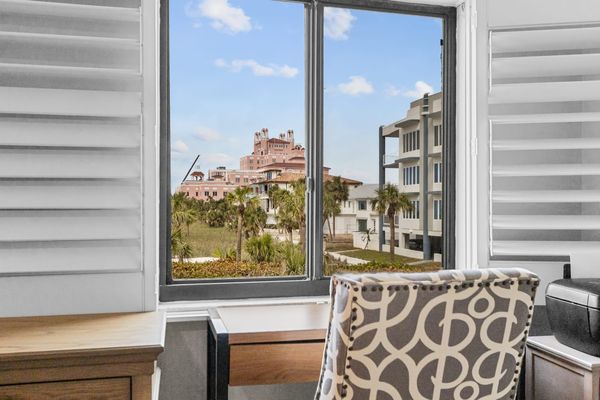
"Water view" on a condo listing covers everything from floor-to-ceiling Gulf to a slice of the Intracoastal between two parking garages. "Partial water view" usually means if you lean over the railing and squint.
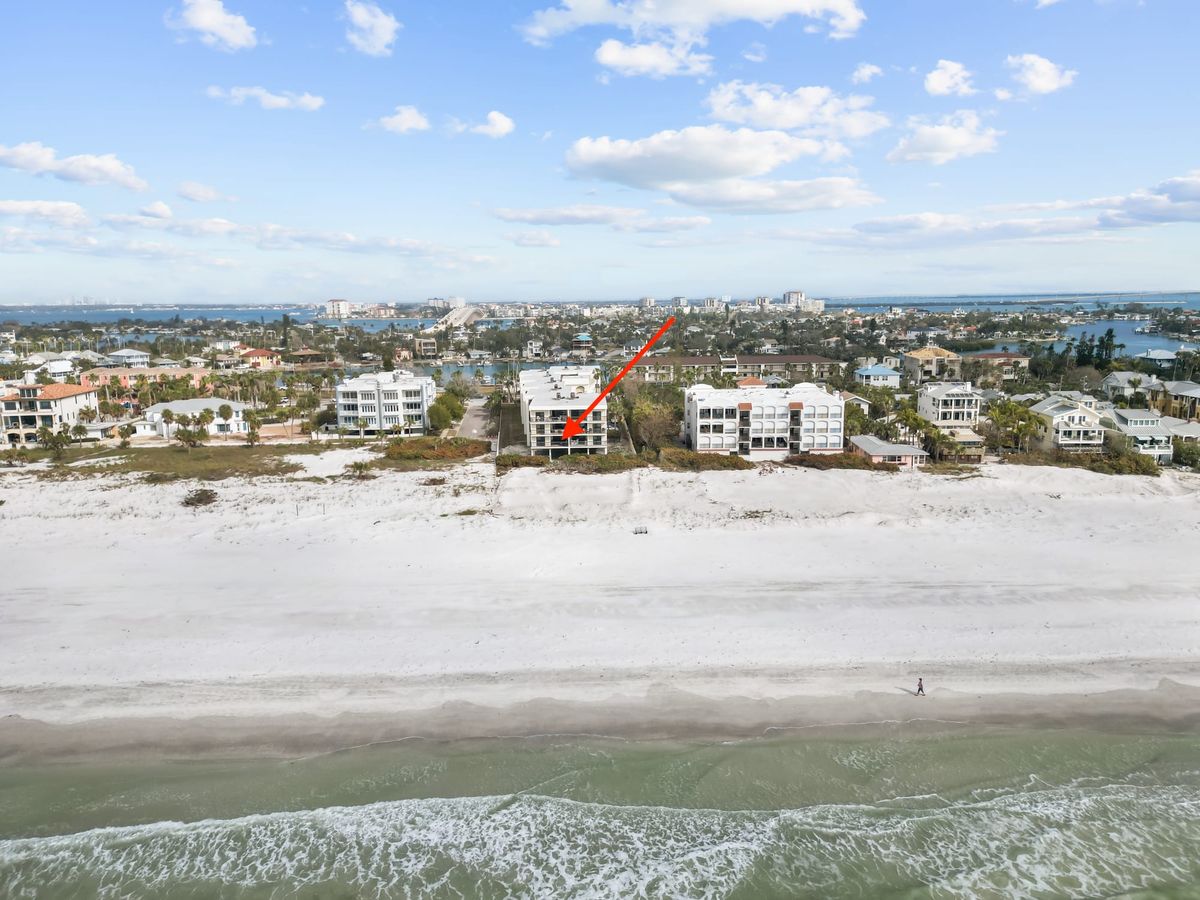
Gulf side, bay side and street side are different prices in the same building, and they should be. West-facing gets the sunset, and also the afternoon sun cooking your living room from May to October. East gets sunrise and a lower power bill. Then look at what's next door, because a view is only as good as the empty lot in front of it. I wrote about what the Johns Pass Marriott means for exactly that.
Parking, and where your car goes in a storm
An enclosed garage, a covered spot under the building and a numbered space in the lot all get called "parking." They are not the same thing.
On the beaches, ask where the parking sits compared to flood elevation. Ground-level parking under an older building is the first thing to take water in a surge. After Helene a lot of people found out their car was the least protected thing they owned.
Golf cart parking matters out here too. So does storage, because the fishing gear, the paddleboards and the cooler you keep saying you'll get rid of have to go somewhere, and the condo rules probably say it's not the balcony.
Storm rules for the boat
Some buildings make you pull the boat off the lift or out of the slip before a hurricane. Fine if you live here full time. If you're up north in September, it's a problem, and you want to know before you buy, not when there's a cone on the news. While you're asking, find out who pays when the docks or lifts get damaged.
Rental rules
This is where condos on Treasure Island and St. Pete Beach get very different, very fast. Some buildings allow short stays. Some say 30 days. Some say several months. Some won't let you rent at all your first year. The listing remarks will make it sound great. Read the actual docs.
And the building isn't the only one with rules. The city has its own short-term rental rules, so a building that allows weekly rentals doesn't automatically mean the city does.
Know if it's a condo or a condo-hotel. Condo-hotels are the ones with a front desk and a rental program, and a lot of lenders won't do a regular mortgage on them, which also shrinks your buyer pool when you sell. Check lease caps, pet rules and age restrictions while you're in there. There are 55+ buildings and one-small-dog buildings out here, and the listing doesn't always say.
Getting approved by the building
A lot of buildings make buyers apply before they can close, and some interview you. Some also have a right of first refusal, meaning the association gets the option to buy the unit first. Almost nobody reads that part of the docs until the deal is already moving, and then it adds weeks. Find out the process up front and build the time into the contract.
Insurance
The association's master policy covers the building. Your HO-6 policy covers the inside of your unit. The question nobody asks is what the master policy deductible is, because after a big claim owners can get assessed for it.
Ask if the association carries flood insurance and how much. Then look at what floor you're on. A ground floor unit on the beach lives a very different insurance life than the 6th floor. My insurance cost post and flood zone AE vs X have more.
The building's money
Milestone inspections and reserve studies are a whole post, and I already wrote it: SIRS reports and St. Pete Beach condos. Short version, ask for the SIRS, the milestone inspection status, the reserve balance, any special assessments that are voted or coming, the budget, and the last year of board meeting minutes.
Don't skip the minutes. That's where you see how big of a sh*t show the building actually is, and whether any assessments are coming. I've had buyers negotiate on assessments that weren't even out yet. It was hard, but it was definitely worth doing, because once an assessment is official it's a lot harder to get anyone to pay it but you.
Look at what the dues actually cover. Some include flood insurance, cable, water or the dock, and some don't, so two buildings with the same dues aren't the same cost. The reserve requirement also goes up in January 2027, so honestly, plan on dues going up in a lot of buildings next year.
And if the building is in the middle of milestone repairs, you're buying months of scaffolding, closed balconies and jackhammers along with the unit. The minutes will tell you that too.
Can you even get a loan on it?
Since August 2026, every conventional condo loan gets a full review of the building on top of the buyer. Budget, reserves, insurance, assessments, lawsuits. If the building fails, it's "non-warrantable," and a normal mortgage is off the table no matter how good your credit is.
Have your lender check the building before you fall in love with a unit. Buildings with 10 units or fewer skip the review, which helps on the beaches because there are a lot of small ones. Full breakdown in non-warrantable condos in Florida.
Stuff that's never in the listing
Does the building have a generator for the elevators? Living on the 8th floor is great until the power's out for four days. How old are the elevators? Replacing them is one of the classic special assessments. Who pays for impact windows and shutters, you or the association? And if the association owns the seawall, its condition is your problem now too. Here's what a seawall inspection costs.
Is now a good time to buy?
There's more condo inventory than people are used to, and most condos have been on the market a while, so there's usually room to negotiate. I wrote about why St. Pete Beach condos are sitting if you want the reasons. The units with the deeded slip and the lift and the garage don't sit like that. They never really did.
If you're selling one
Everything in this post is what your buyer's agent and their lender are going to ask you for. Slip paperwork, submerged land lease, minutes, reserve numbers. Have it ready before you list and yours is the unit in the building with no surprises.
If yours has the slip, the lift, the garage and the good side of the building, don't price it like the building average. Luxury waterfront condo buyers are paying for the specifics, so spell them out in the listing. More in my waterfront seller's guide.
FAQ
Do waterfront condos in St. Pete come with boat slips?
Some do. The slip can be deeded with the unit, assigned by the association, leased, or on a waitlist. Only a deeded slip transfers with your unit for sure, so check the condo docs before you count on it.
Can I rent out a condo on St. Pete Beach or Treasure Island?
It depends on the building. Minimum lease terms range from short stays to several months, and some buildings don't allow rentals in your first year. The condo docs and city rules decide it, not the listing.
What does an HO-6 policy cover?
An HO-6 covers the inside of your unit and your stuff. The association's master policy covers the building. Ask what the master policy deductible is, because owners can be assessed for it after a big claim.
What's the difference between a condo and a condo-hotel?
A condo-hotel unit is part of a rental program run like a hotel. Many lenders won't do regular financing on them, which can make them harder to buy and harder to sell.
Can I get a mortgage on a waterfront condo in St. Pete?
Usually, but the building has to pass a lender review first. If it's non-warrantable, conventional loans are out and you're looking at portfolio loans with bigger down payments, or cash. Have your lender check the building before you make an offer.
How do I sell a waterfront condo for top dollar?
Have the building documents ready before you list, and price the unit on its own features. A deeded slip, a lift, a garage and a real water view are worth a lot more than the building average suggests.
Is there room to negotiate on waterfront condos in St. Pete right now?
For most condos, yes. Inventory is up and many units have been listed for a while. Units with a deeded slip, a lift and a garage are the exception and still sell.