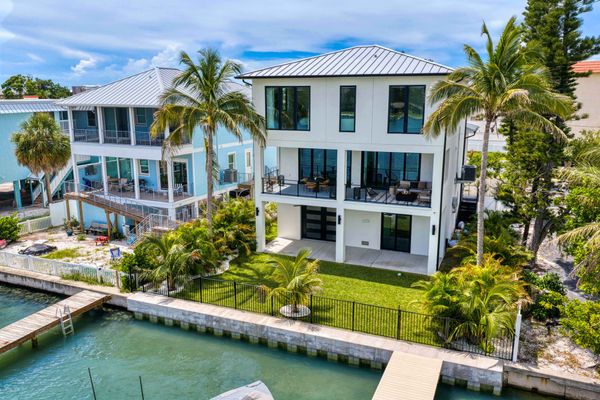
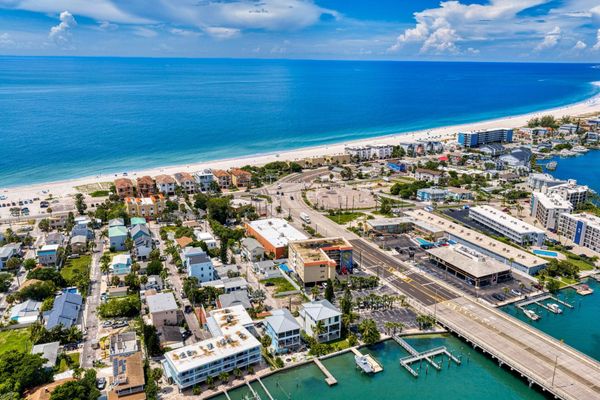
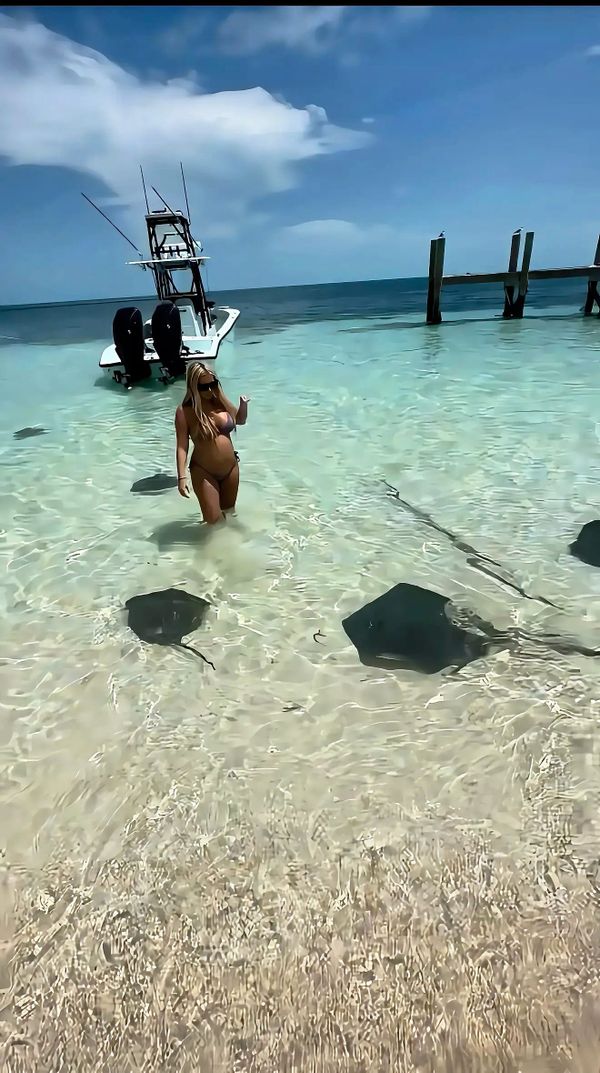
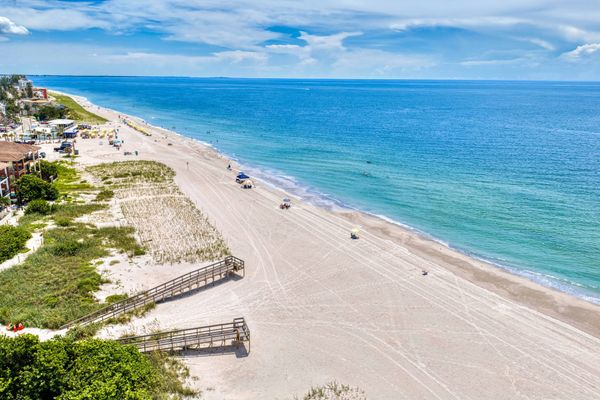
Can My Boat Fit Here? What Waterfront Buyers Need to Know Before Buying in Pinellas County
A dock doesn’t automatically mean great boating. Before buying waterfront property in Pinellas County, learn how canal depth, tide-dependent, bridge clearance,and boat size can affect your boating experience.

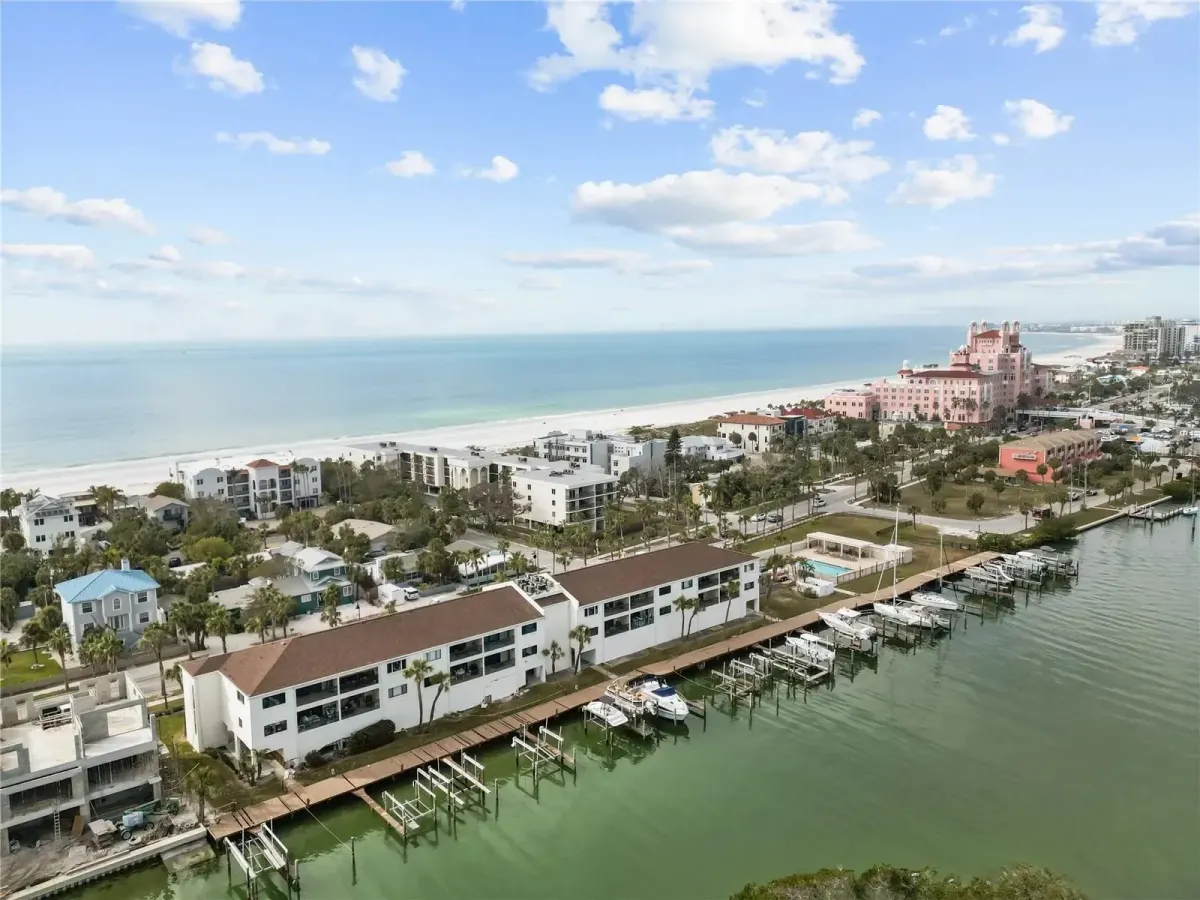

Related reading: The Waterfront Rule That Turned a House Into a Lot — how the 50% Rule decides whether a storm-damaged waterfront home can be renovated or must be rebuilt.
About the Author
Carly Majorana
Waterfront and luxury real estate specialist at NextHome Gulf Coast in St. Petersburg, Florida. CLHMS Guild Member. Specializing in the technical side of waterfront — seawalls, boat lifts, bridge clearance, and flood zones. Serving buyers and sellers in St. Pete Beach, Tierra Verde, Treasure Island, St. Petersburg, Bayway Isles, and Pinellas Point.
Most waterfront buyers start with the house.
The kitchen. The pool. The sunset. The dock. The view.
I get it.
But if you’re buying waterfront property in St. Pete Beach, Treasure Island, Tierra Verde, Madeira Beach, Redington Beach, or anywhere in Pinellas County, there is one question that matters even more:
Can your boat actually fit here, and will you enjoy using it?
I’ve seen buyers spend an hour talking about countertops and five minutes talking about whether their boat can actually get to the Gulf. In my experience, the boating experience ends up mattering a lot more six months after closing.
A dock doesn’t automatically mean easy boating. A boat lift doesn’t automatically mean your boat works there. And waterfront doesn’t automatically mean you’ll have great access to the Gulf.
In fact, two waterfront homes on the same street can have dramatically different values because of boating access, canal depth, bridge restrictions, and overall usability.
I break that down in more detail here:
The Biggest Mistake Waterfront Buyers Make
The biggest mistake I see buyers make is assuming that because there is a dock, their boating situation is handled.
Not always.
Sometimes the canal is tide dependent.
Sometimes the water depth becomes an issue at low tide.
Sometimes there is a fixed bridge between the house and open water.
Sometimes the lift is perfectly capable of handling the boat, but getting the boat to open water is the actual problem.
I’ve had buyers focus on lift capacity for an entire showing and never ask about canal depth. If I had to pick one, I’d rather replace a boat lift than realize after closing that my boat only gets out comfortably on certain tides.
And sometimes the boat technically fits, but the overall setup isn’t the boating lifestyle the buyer thought they were getting.
You’re not just buying a waterfront house.
You’re buying how your life works on the water.
1. Is the Canal Tide Dependent?
This is one of the first things I want to know when evaluating waterfront property.
A tide dependent canal is a canal where water depth changes enough with the tide that boating access can become limited during lower water.
That may not matter for every boat.
But if you have a deeper draft boat or simply want the freedom to leave whenever you want, it absolutely matters.
I’ve seen buyers discover after closing that their canal was more tide dependent than they realized. On paper it looked like a great boating property. In reality, the canal depth became a limitation.
That’s the kind of thing you want to know before closing, not after you’ve moved in.
2. What Is the Water Depth at Low Tide?
Don’t just ask:
“How deep is the canal?”
Ask:
How deep is the canal at low tide?
That’s the number that matters.
Boat draft is the amount of water your boat needs underneath it to float and operate safely. A flats boat and a 35-foot center console aren’t asking the canal for the same thing.
When evaluating waterfront property, especially in St. Pete Beach, Treasure Island, Tierra Verde, Isla del Sol, or Boca Ciega Bay, I want answers to these questions:
- What is the water depth at low tide?
- Is the canal tide dependent?
- Has the canal been dredged?
- Are there shallow spots between the dock and open water?
- Do neighboring owners keep similar boats there?
If you’re specifically considering St. Pete Beach waterfront property, I’ve put together a separate guide here:
A property can look perfect online and still not work for your boat.
Unfortunately Zillow doesn’t include a “good luck at low tide” warning.
3. Are There Fixed Bridges Between the Dock and Open Water?
A fixed bridge is a bridge that does not open for boat traffic.
This is where bridge clearance becomes important.
If your boat is too tall to fit under the bridge, that property may not work for you no matter how beautiful the backyard is.
This is especially important for:
- Larger center consoles
- Boats with towers
- Sailboats
- Sportfish boats
- Any vessel with significant height
If boating access matters, ask:
- Are there any fixed bridges?
- What is the bridge clearance?
- Will my current boat fit?
- Will my next boat fit?
- How quickly can I reach open water?
This is also why sailboat water is such an important term in Florida real estate.
Sailboat water generally means deeper water and no fixed bridges restricting access to open water.
For a deeper dive:
https://blog.carlyonthewater.com/what-is-sailboat-water-florida-real-estate/
4. Stop Obsessing Over Lift Capacity First
Buyers love to ask about boat lift capacity.
And yes, it matters.
But it is rarely the first thing I worry about.
Why?
Because lift capacity is often one of the easier problems to solve.
You can replace a lift.
You can upgrade a lift.
You cannot easily change canal depth.
You cannot easily remove a bridge.
You cannot easily widen a canal.
You cannot easily move the house because you realized your boat hates its new home.
So yes, ask about:
- Lift capacity
- Lift condition
- Lift age
- Maintenance history
- Permits
But don’t let the lift distract you from the bigger questions.
If you’re buying waterfront property, this article goes deeper into boat lifts:
https://blog.carlyonthewater.com/what-to-know-about-boat-lifts-before-you-buy-waterfront-in-st-pete/
5. How Big Is Your Boat Really Going To Be?
This is where buyers need to be honest with themselves.
A smaller boat works in a lot of waterfront situations.
Once buyers start talking about boats in the 42-foot-plus range, the conversation changes completely. Now we’re talking about canal width, turning radius, dock length, bridge clearance, water depth, and whether the boat is about to become the entire backyard view. At that point, you’re not just shopping for a waterfront home. You’re shopping for a place that works for a very large boat.
A large boat can be incredible.
It can also become your entire backyard view.
6. Will The Boat Become The View?
This is one of the most overlooked parts of buying waterfront.
Everybody asks whether the boat fits.
Not enough people ask whether they actually want to look at it every day.
A 42- to 50-foot boat sitting behind a narrow waterfront lot can dominate the entire backyard.
For some people that’s exactly what they want.
For others, the water view they paid for becomes mostly a boat view.
I actually think this gets overlooked all the time. A lot of buyers dream about the bigger boat but don’t stop to think about whether they want to look at 45 feet of fiberglass every time they walk into the backyard.
Before buying, think about:
- Where the boat will sit
- How much water view remains
- Whether the dock sits directly behind the living room
- Whether the lot is wide enough
- Whether you’re buying the boat lifestyle or the water view
Neither answer is wrong.
You just want to know which one matters more to you.
7. Why Tierra Verde Is So Popular With Serious Boaters
If boating is the priority, Tierra Verde is one of my favorite areas in Pinellas County.
Not because it’s trendy.
Because it works.
Many properties offer:
- Larger waterfront lots
- Deep water access
- Fewer bridge restrictions
- Faster access to the Gulf
- Better accommodations for larger boats
That doesn’t mean every property is perfect.
You still need to verify canal depth, bridge clearance, dock setup, seawall condition, insurance costs, and elevation.
But for serious boaters, Tierra Verde is often one of the first places I look.
8. Don’t Forget The House Elevation
This isn’t directly about the boat, but it absolutely matters.
After the recent storms, elevation has become one of the most important waterfront buying considerations in Florida.
You need to understand:
- Elevation certificates
- Flood zones
- Insurance costs
- Flood history
- Whether the home is elevated
- Future ownership costs
Before buying waterfront property, I also recommend understanding seawall condition and insurance implications.
What many buyers don’t realize is that a seawall issue or insurance surprise can be far more expensive than replacing a boat lift.
Learn more here:
https://blog.carlyonthewater.com/what-does-a-seawall-inspection-cost-in-pinellas-county/
and
https://blog.carlyonthewater.com/waterfront-home-insurance-cost-florida/
9. Deep Water vs Sailboat Water vs Waterfront
These terms get thrown around constantly, and they are not the same thing.
Waterfront means the property is on water.
Deep water generally refers to water depth.
Sailboat water usually means deeper water plus no fixed bridges restricting access to open water.
A waterfront property can still be a bad boating property.
A canal can have decent depth but poor bridge clearance.
A property can have a dock and still not deliver the boating experience you’re looking for.
That’s why waterfront real estate can’t be evaluated from listing photos alone.
Final Thoughts
If you’re buying waterfront property in St. Pete Beach, Treasure Island, Tierra Verde, Madeira Beach, Redington Beach, or anywhere else in Pinellas County, don’t stop at the view.
Ask the boating questions.
- Is the canal tide dependent?
- What is the water depth at low tide?
- Are there fixed bridges?
- What is the bridge clearance?
- Does the dock fit my current boat?
- Will it fit my next boat?
- Will the boat become the view?
- Does the elevation make sense?
The goal isn’t to buy a dock. The goal isn’t to buy a boat lift. And the goal definitely isn’t to buy the prettiest listing photos. The goal is to buy a waterfront property that works for the way you actually plan to use the water.
And if you’re still evaluating properties, my guide to buying waterfront homes in St. Pete Beach covers many of the other waterfront considerations buyers should understand before making an offer:
https://blog.carlyonthewater.com/buying-waterfront-home-st-pete-beach/
And that starts with knowing whether your boat really fits here.
More Questions Buyers Ask
How do I know if my boat will fit at a Pinellas County dock?
It depends on canal depth, water depth at mean low tide, bridge clearance, canal width, lift capacity, and the size of your boat. A dock alone does not guarantee your boat will work there.
Does water depth at low tide matter more than the dock or lift?
Often, yes. You can replace or upgrade a lift, but you cannot easily change canal depth or remove a bridge. Depth at mean low tide and bridge clearance are the hard limits to check first.
How do I find a waterfront-specialist agent in Pinellas County?
Look for someone who lives on the water and actually runs a boat. The things that decide a waterfront deal — canal depth at mean low tide, bridge clearance, seawall age, flood history by block — are not on the MLS sheet. Carly Majorana is a waterfront and luxury specialist at NextHome Gulf Coast and a CLHMS Guild Member serving St. Pete Beach, Tierra Verde, Treasure Island, and greater Pinellas County.