What Does Waterfront Home Insurance Cost in Florida After the Hurricanes?
Wondering what waterfront home insurance costs in St. Petersburg, St. Pete Beach, Treasure Island, and Tierra Verde? Learn what affects premiums, flood insurance requirements, and what buyers should know after recent hurricanes.


About the Author
Carly Majorana
Waterfront and luxury real estate specialist at NextHome Gulf Coast in St. Petersburg, Florida. CLHMS Guild Member. Specializing in the technical side of waterfront — seawalls, boat lifts, bridge clearance, and flood zones. Serving buyers and sellers in St. Pete Beach, Tierra Verde, Treasure Island, St. Petersburg, Bayway Isles, and Pinellas Point.
If you’re shopping for a waterfront home in St. Petersburg, St. Pete Beach, Treasure Island, Tierra Verde, or anywhere along Florida’s Gulf Coast, you’ve probably asked the same question every waterfront buyer is asking right now:
What is insurance actually going to cost me?
A few years ago, insurance was something buyers looked at near the end of the transaction. Today, it’s one of the first conversations we have.
After Hurricanes Helene and Milton, insurance costs, flood risk, elevation, and storm history have become major factors in waterfront real estate. In many cases, buyers spend more time discussing insurance than they do discussing countertops, flooring, or even the view.
And honestly, that’s probably a good thing.
The Truth About Waterfront Insurance Costs
The answer nobody likes is:
It depends.
Two waterfront homes can sit just a few streets apart and have dramatically different insurance premiums.
I’ve seen buyers receive quotes that differ by thousands of dollars per year because of factors they didn’t even know mattered.
The biggest variables include:
- Elevation
- Flood zone
- Roof age
- Age of the home
- Previous flood claims
- Construction type
- Storm history
- Wind mitigation features
- Whether the home has been substantially renovated
That’s why I encourage waterfront buyers to get insurance quotes as early as possible rather than waiting until the final days of a transaction.
Elevation May Matter More Than Waterfront Location
One of the biggest misconceptions I hear is that every waterfront home is expensive to insure.
That’s simply not true.
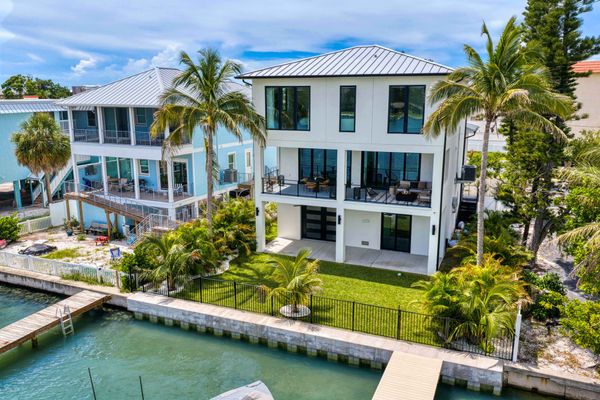
In many cases, a newer elevated waterfront home can actually cost less to insure than an older home located farther inland.
Insurance companies aren’t pricing the view.
They’re pricing risk.
A waterfront home built to newer standards and elevated well above base flood elevation may present significantly less risk than an older property sitting lower to the ground.
This is one reason elevated waterfront homes throughout Pinellas County have become increasingly desirable.
Flood History Is Now Part of the Conversation
Buyers today are asking questions that rarely came up a few years ago.
Has the property flooded?
How much water entered the home?
Were insurance claims filed?
What improvements were made afterward?
As a waterfront Realtor, these questions have become a normal part of the due diligence process.
In fact, I was recently interviewed by Real Estate Radar Florida about how insurance costs, flood risk, and storm history are influencing waterfront home purchases throughout the area. Buyers are paying much closer attention to long-term ownership costs than they were before recent storms.
Properties with cleaner flood histories and lower perceived risk are often attracting stronger buyer demand.
Newer Construction Often Has an Advantage
Many waterfront buyers are surprised by how much building standards affect insurance costs.
Newer homes often benefit from:
- Higher elevations
- Impact-rated windows and doors
- Updated building codes
- Stronger roofing systems
- Modern construction methods
Not only can these features improve a home’s storm resilience, but they can also positively impact insurance premiums.
This is one reason many buyers are gravitating toward newer waterfront homes in St. Petersburg, St. Pete Beach, Treasure Island, and Tierra Verde.
Don’t Forget About Flood Insurance
One of the biggest misunderstandings I see is buyers assuming homeowners insurance and flood insurance are the same thing.
They’re not.
Most standard homeowners insurance policies do not cover flood damage.
Depending on the property, flood insurance may be required by a lender, or it may simply be a smart financial decision regardless of requirements.
The cost depends on factors such as:
- Flood zone
- Elevation
- Construction type
- Coverage amount
- Flood history
Understanding both policies is critical when evaluating the true cost of waterfront ownership.
Why I Recommend Insurance Quotes Early
One of the best things waterfront buyers can do is request insurance quotes before they’re emotionally attached to a property.
I know. Easier said than done.
But insurance costs can have a significant impact on monthly ownership expenses.
Before my buyers move too far down the road, I want them to understand:
- Estimated homeowners insurance costs
- Estimated flood insurance costs
- Potential insurability concerns
- How those costs affect their budget
The earlier you know the numbers, the better decisions you can make.
Waterfront Real Estate Is Still Moving
Despite rising insurance costs, waterfront homes continue to attract buyers throughout Pinellas County.
The difference today is that buyers are asking smarter questions.
They’re looking beyond the water view.
They’re asking about elevation.
They’re asking about flood history.
They’re asking about insurance.
And frankly, they should be.
Because when you’re buying waterfront property, understanding the long-term costs of ownership is every bit as important as understanding the view from the dock.
Final Thoughts
Waterfront living is still one of the best lifestyles Florida has to offer. But today’s buyers need to evaluate more than location alone.
Insurance costs, elevation, flood history, and construction quality all play an important role in determining the true cost of ownership.
The buyers who understand those factors early are usually the ones who make the most confident decisions.
More Waterfront Buyer Resources
Insurance is only one piece of the waterfront ownership puzzle. If you're researching waterfront homes in St. Petersburg, these articles can help you understand the factors that affect value, ownership costs, and long-term enjoyment:
- Why Two Waterfront Homes on the Same Street Can Sell for $300,000 Apart
- What Is Sailboat Water and Why Do Waterfront Buyers Care So Much?
- What to Know About Boat Lifts Before You Buy Waterfront in St. Petersburg
- What Does a Seawall Inspection Cost in Pinellas County?
- The Waterfront Rule That Turned a House Into a Lot — how the 50% Rule decides renovate vs. rebuild
More Questions Buyers Ask
How much does waterfront home insurance cost in Florida after the storms?
It varies widely by elevation, construction type, roof age, and flood history, and it is often the line item that decides a deal. Get a real quote during your inspection window, not after.
What drives a waterfront insurance quote up or down?
Elevation, construction type, roof age, flood zone, and claim history. Two homes that look identical can quote very differently because of these factors.
How do I find an agent who helps me budget insurance before I'm attached?
Look for someone who lives on the water and actually runs a boat. The things that decide a waterfront deal — canal depth at mean low tide, bridge clearance, seawall age, flood history by block — are not on the MLS sheet. Carly Majorana is a waterfront and luxury specialist at NextHome Gulf Coast and a CLHMS Guild Member serving St. Pete Beach, Tierra Verde, Treasure Island, and greater Pinellas County.