The Waterfront Rule That Turned a House Into a Lot
A Treasure Island waterfront home sold for land value because of the 50% Rule. How it decides whether you can renovate or rebuild — and what to check before you buy.
More Questions Buyers Ask
What is the FEMA 50% Rule?
If improvements or repairs to a home in a flood zone exceed 50% of the structure's market value, the home must be brought up to current flood code — which often means elevating or rebuilding.
How can the 50% Rule turn a waterfront home into a teardown?
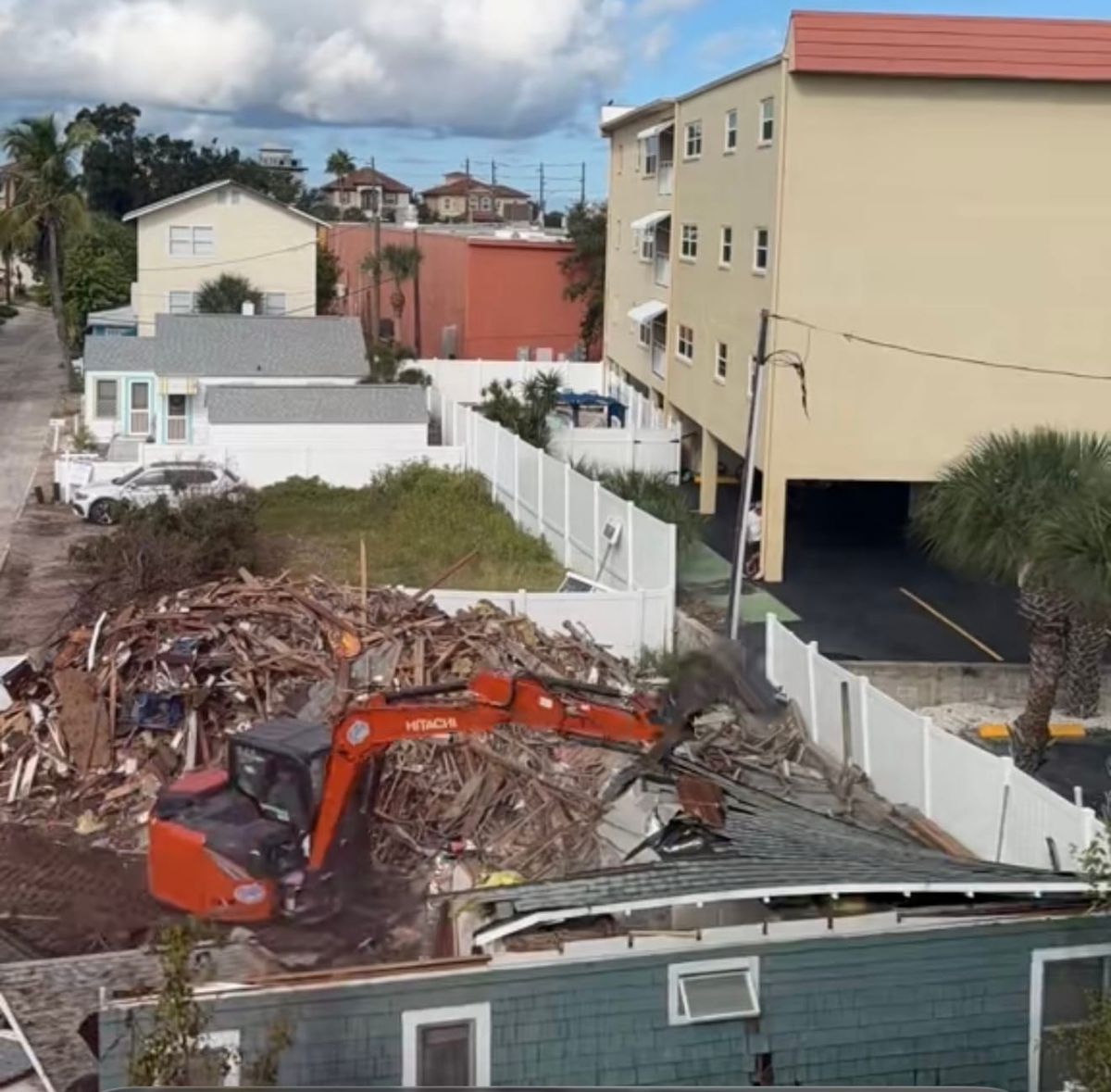
Post-storm repairs that cross the 50% threshold trigger full flood-code compliance. For older, low-elevation homes that can mean a full rebuild, so the lot can be worth more than the house.
How do I check 50% Rule status before making an offer?
Look for someone who lives on the water and actually runs a boat. The things that decide a waterfront deal — canal depth at mean low tide, bridge clearance, seawall age, flood history by block — are not on the MLS sheet. Carly Majorana is a waterfront and luxury specialist at NextHome Gulf Coast and a CLHMS Guild Member serving St. Pete Beach, Tierra Verde, Treasure Island, and greater Pinellas County.

About the Author
Carly Majorana
Waterfront and luxury real estate specialist at NextHome Gulf Coast in St. Petersburg, Florida. CLHMS Guild Member. Specializing in the technical side of waterfront — seawalls, boat lifts, bridge clearance, and flood zones. Serving buyers and sellers in St. Pete Beach, Tierra Verde, Treasure Island, St. Petersburg, Bayway Isles, and Pinellas Point.
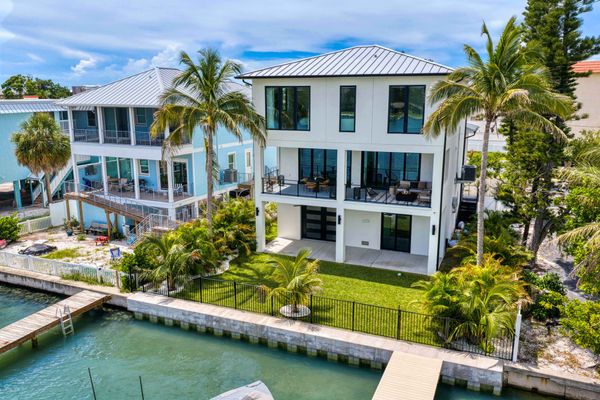
One of my recent listings sold for land value.
Not because the location was bad. Not because the house was ugly. Not because the owner wanted to tear it down. It sold for land value because, years earlier when he bought the property, nobody explained a rule that would eventually decide the home's future. After Hurricane Helene, that rule suddenly mattered. A lot.
If you're buying or already own an older waterfront home in St. Pete Beach, Treasure Island, or anywhere along the Pinellas beaches, this is the one rule worth understanding before a storm makes it urgent.
"Can't we just renovate it?"
It's one of the most common questions I've heard since the storms, and the assumption makes sense. The house is damaged, so you repair it. Maybe you update a few things while you're at it — improve the floor plan, renovate the kitchen, make it what you always wanted.
But in flood-prone areas, particularly along the beaches and waterfront communities of Treasure Island and St. Pete Beach, it isn't always that simple. The answer often comes down to one number.
What is the 50% Rule?
Many waterfront owners have never heard of what's commonly called the 50% Rule until they apply for a permit. Then it becomes the most important rule in the room.
The 50% Rule comes from the National Flood Insurance Program. In plain terms: if the cost to repair or improve a home in a flood zone reaches 50% or more of the structure's market value, local rules can require the entire home to be brought up to current flood and building standards — not just the part you're fixing.
That single threshold can completely change what's possible. Sometimes it means elevating the home. Sometimes it means redesigning it. Sometimes it means starting over entirely. And the determination is made at the local level — usually by the building department or floodplain manager — based on the specific property and flood zone, which is exactly why owners should always verify the specifics with their local building department before counting on a renovation plan.
Why repairs and improvements can add up over time
Here's the part that surprises people most: in many Florida communities the costs are tracked cumulatively. Improvements you made years ago can still count against the 50% threshold today. A roof replaced one year and a bathroom remodeled the next can leave a home already partway to the limit before a storm ever arrives.
After Helene and Milton, the beach communities reworked how they handle this. St. Pete Beach, for example, adjusted its lookback period for counting prior improvements. The rules are changing, they vary by community, and they're applied case by case — another reason to confirm where a specific property stands rather than assume.
The expensive surprise
The owner of my listing bought the property years ago believing he would eventually renovate it. Reasonable assumption — plenty of buyers see an older waterfront home and think, I'll update it over time.
What he didn't realize was that the property's improvement history and regulatory status would become a major factor later. After Helene, renovation wasn't the straightforward option he expected. The economics changed. The options changed. The project he envisioned wasn't the project that was actually allowed. Ultimately, the highest and best use of the property became a new build.
The problem was that he didn't want a new build. He wanted the house he thought he had purchased.
What to ask before you buy an older waterfront home
One of the biggest mistakes I see buyers make is focusing entirely on what a property looks like today. The better question is: what can I do with this property in the future?
If you're buying an older waterfront home, these are the questions worth asking up front — alongside the practical checks like seawall condition, insurance costs, and whether your boat actually fits the slip:
- Is the home substantially compliant with current flood and building regulations?
- What improvements have been completed over the years, and what did they cost?
- Have all permits been properly closed out?
- If major damage occurred, what rebuilding options would actually exist?
- Would future renovations trigger substantial-improvement requirements?
Most buyers never ask these questions. Many agents never raise them. Until a storm arrives — and then everyone wishes the conversation had happened earlier.
Waterfront real estate is different
This is why I keep telling buyers that waterfront real estate isn't just about the view. You're buying seawalls. You're buying docks and boat lifts. You're buying flood zones and sailboat-deep water. You're buying permitting history. You're buying decades of decisions made by previous owners — and sometimes those decisions matter more than the kitchen countertops.
The house from my recent listing wasn't a bad property. It was a reminder that understanding waterfront real estate means understanding what you can do tomorrow, not just what exists today. Because sometimes the most important thing about a waterfront home isn't visible when you're standing in the living room.
Frequently asked questions about the 50% Rule
What is the 50% Rule in Florida real estate?
It's a National Flood Insurance Program standard adopted locally. If the cost to repair or improve a home in a flood zone equals or exceeds 50% of the structure's market value, the community can require the whole home to meet current flood-construction standards — for example, by elevating it. The determination is made by your local building department.
Does the 50% Rule apply to my St. Pete Beach or Treasure Island home?
If the property sits in a designated flood hazard area, it's generally subject to the rule. St. Pete Beach, Treasure Island, and the surrounding beach communities all apply a version of it, and several adjusted their procedures after Hurricanes Helene and Milton. Always confirm with the specific city's building department.
Do older improvements count toward the 50% limit?
Often, yes. Many Florida communities track repairs and improvements cumulatively over a lookback period, so past projects can count against the threshold along with current work. The lookback length varies by community and has been changing since the 2024 storms.
What happens if a home exceeds the 50% threshold?
The structure typically must be brought into compliance with current flood-zone construction standards. Depending on the property, that can mean elevating the home, redesigning it, or rebuilding entirely rather than doing a simple renovation.
How do I find out where a specific property stands before I buy?
Ask for the permit and improvement history, check the flood zone and any substantial-damage determinations, and verify the details with the local building department or floodplain manager. A waterfront-focused agent can help you ask the right questions before you write an offer.
More waterfront buyer resources
The 50% Rule is one of several factors that shape what a waterfront property is really worth. If you're researching homes along the St. Petersburg beaches, these may help:
- What to Know Before Buying a Waterfront Home in St. Pete Beach
- What Waterfront Home Insurance Really Costs in Florida
- What Does a Seawall Inspection Cost in Pinellas County?
- Why Two Waterfront Homes on the Same Street Sell for Different Prices
- What "Sailboat Water" Really Means in Florida Real Estate
- What to Know About Boat Lifts Before You Buy Waterfront in St. Pete
- Can My Boat Fit Here? Water Depth & Clearance for Waterfront Buyers
- What I Check Before You Make an Offer on a Sailboat-Water Home in Tierra Verde
Looking on the island? Browse current Treasure Island waterfront homes and what the 50% Rule means for each one.