Beach Renourishment in Pinellas County: What the Army Corps Deal Means for Gulf-Front Buyers
On May 29, 2026, Pinellas County and the Army Corps ended an 11-year standoff over beach renourishment funding. The Corps is back — covering 65% of future costs for Treasure Island and St. Pete Beach. The market hasn't priced it in yet.

About the Author
Carly Majorana
Waterfront and luxury real estate specialist at NextHome Gulf Coast in St. Petersburg, Florida. CLHMS Guild Member. Specializing in the technical side of waterfront — seawalls, boat lifts, bridge clearance, and flood zones. Serving buyers and sellers in St. Pete Beach, Tierra Verde, Treasure Island, St. Petersburg, Bayway Isles, and Pinellas Point.
On May 29, 2026, something happened at a hotel in North Redington Beach that almost nobody in real estate has talked about.
Representatives from Pinellas County, the U.S. Army Corps of Engineers, and Congress signed a cost-share agreement that ended an 11-year funding standoff over Gulf beach renourishment. The Corps is back. They'll cover 65% of future renourishment costs for Sand Key, Treasure Island, and St. Pete Beach. Pinellas County covers the other 35%.
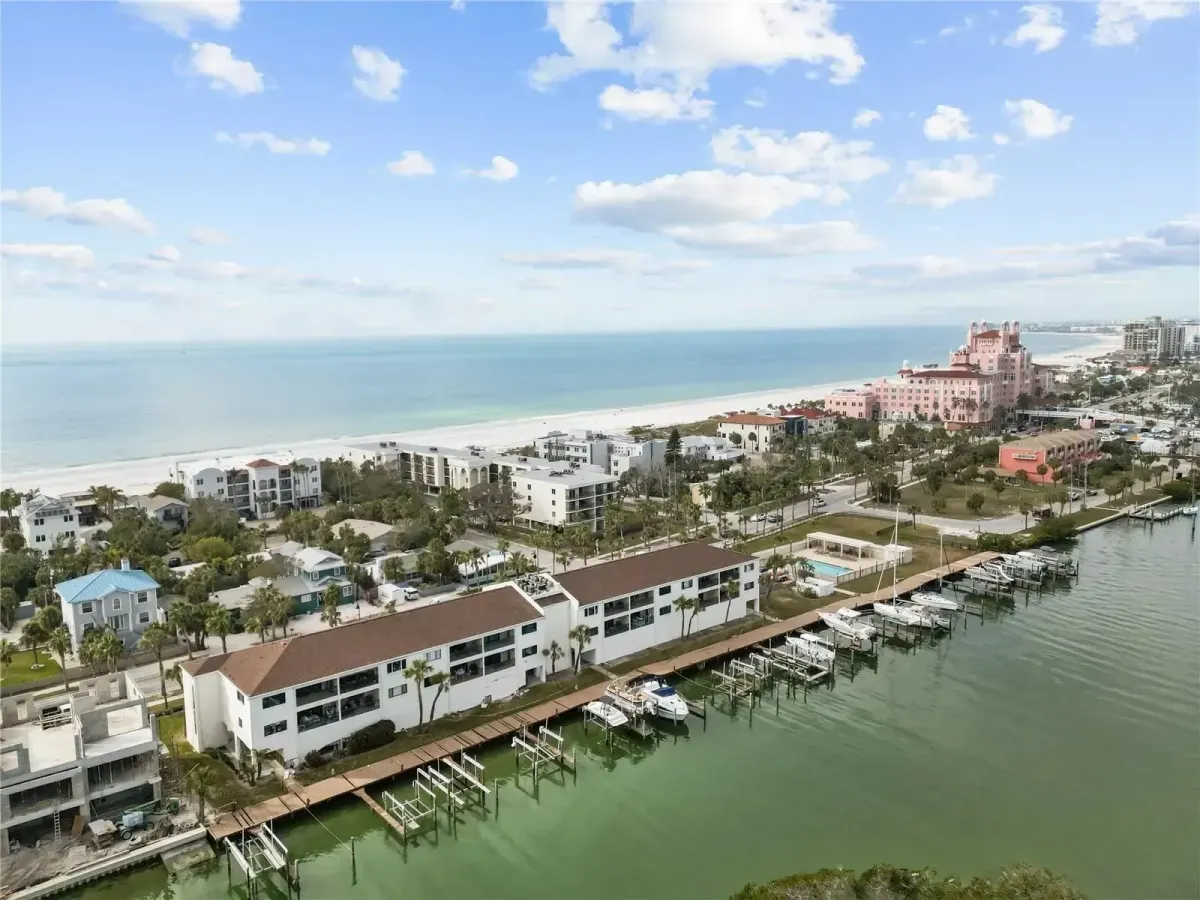
For buyers and sellers of Gulf-front property in Pinellas County, this is not an administrative footnote. This is a structural change in how long-term coastal risk gets funded — and three weeks after it was signed, the market has barely noticed.
What the 11-Year Standoff Was About
The Army Corps stopped co-funding Pinellas County beach renourishment in 2018. The dispute came down to public access easements. The Corps required Gulf-front homeowners to permanently dedicate a public easement over their private beachfront land as a condition of receiving federal money. A lot of owners refused. The county declined to force them. Federal funding dried up.
From 2018 to 2026, Pinellas County funded every beach renourishment project on its own — including the $125 million emergency project completed earlier this year after Hurricanes Helene and Milton tore through Treasure Island and the surrounding beaches in the fall of 2024. That was entirely county money: tourist tax revenue, local budget, no federal backstop.
The new agreement resolves the access dispute by accepting city ordinances — existing public access rules that already apply to all beachfront properties — as sufficient to satisfy the Corps' requirements. Property owners don't sign permanent easements. They comply with local ordinances they already follow.
Simple fix. Eight years to get there. Signed on a Friday afternoon at a beach hotel.
What Changed for Gulf-Front Property in Pinellas County
Since 2018, Gulf-front property on barrier islands like Treasure Island and St. Pete Beach has carried a quiet risk discount. It wasn't spelled out in a seller's disclosure or shown as a line item in an appraisal. But buyers doing serious due diligence knew there was no durable federal mechanism to restore these beaches after a major storm. Every renourishment project was a county budget debate. Every big hurricane was a question of whether the money would materialize.
That discount just got smaller.
A signed, long-term cost-share agreement with the federal government means the next time a storm erodes Treasure Island's beachfront, there's a clear mechanism in place — and the federal government is on the hook for the majority of the restoration cost. That's a materially different situation than existed three weeks ago.
It doesn't eliminate Gulf-front risk. Flood zones, insurance costs, storm surge, and elevation still matter exactly as much as they did on May 28th. But the "will this beach still be here in 15 years" question just got a more credible answer.
A Buyer's Checklist: What This Changes (and What It Doesn't)
- Beach erosion risk just got a federal backstop. Future renourishment projects at Sand Key, Treasure Island, and St. Pete Beach will have 65% federal cost coverage. That's structural, not a one-time fix.
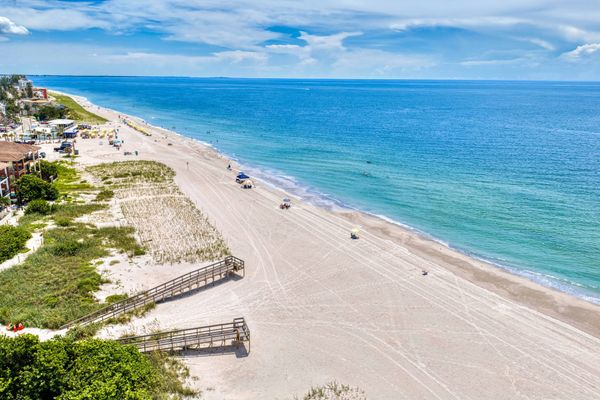
- The $125M project is already done. The renourishment completed in early 2026 placed 2.5+ million cubic yards of sand along the Gulf beaches. The Army Corps deal covers future projects — the next erosion event, and the one after that.
- Flood insurance still matters just as much. The Corps deal is about sand, not water. Flood zones, NFIP coverage, Citizens mandates, and elevation certificates are unaffected. Don't confuse beach stability with flood risk — they're separate conversations.
- Gulf-front sellers now have a legitimate value story. This is a real talking point that didn't exist 30 days ago. The federal backstop on beach renourishment is a structural improvement, not marketing spin.
- Gulf-front buyers' long-term erosion calculus improved. If you were worried about barrier island viability over a 20-30 year hold, this agreement materially changes the risk profile.
I walked a property in Treasure Island with buyers last month who spent 20 minutes on the dock talking about whether the Gulf beaches would be there in 10 years. That's a fair question — and the answer just got a lot more concrete than "the county will probably figure it out."
Who Should Pay Attention Right Now
If you're selling Gulf-front in Treasure Island or St. Pete Beach: This is not a reason to overprice. It's a reason to hold your number when the negotiation comes, and to tell this story before your buyer's agent tells a worse version of it. Most agents won't know this deal exists.
If you're buying Gulf-front: The risk math improved. That doesn't replace getting a real flood insurance quote, pulling the elevation certificate, and checking the storm history on the specific property. But the "is this beach going to disappear" concern just got answered by a signed federal agreement, not a county press release.
If you currently own on the Gulf side and have been watching your property value with one eye and the news with the other: the structural trajectory improved. Not because of anything in the market, but because a meeting happened at a beach hotel on a Friday in May and almost nobody covered it.
Most agents are still talking about the $125M renourishment project that finished this past winter. That project is over. This agreement is about what happens the next time the Gulf takes the beach back — and the answer is now: the Army Corps shows up and covers 65% of the cost.
The market hasn't priced that in yet. It will.
Frequently Asked Questions
What did the Army Corps and Pinellas County actually agree to on May 29, 2026?
They signed a cost-share agreement ending an 11-year funding standoff. The Army Corps will cover 65% of future beach renourishment costs for Sand Key, Treasure Island, and St. Pete Beach. Pinellas County covers 35%.
Why did the Army Corps stop funding Pinellas beach renourishment in 2018?
The Corps required Gulf-front homeowners to permanently dedicate public access easements over their private beachfront property. Many owners refused, the county declined to force them, and federal funding stopped. The 2026 agreement accepts city ordinances instead of private easements.
Does this affect flood insurance costs for Gulf-front homes in Pinellas County?
No. The Army Corps agreement is about beach sand and erosion management, not flood insurance. Flood zone designations, NFIP coverage, Citizens mandates, and elevation-based premiums are unaffected.
What areas are covered by the new Army Corps cost-share agreement?
Sand Key, Treasure Island, and St. Pete Beach — the Gulf-front barrier island communities in Pinellas County.
How does beach renourishment affect Gulf-front property values?
Gulf-front property values track beach condition closely. Without a durable funding mechanism, buyers face uncertainty about long-term beach viability. The new federal cost-share agreement provides structural certainty that didn't exist since 2018.
Should I buy Gulf-front property in Treasure Island or St. Pete Beach now?
The Army Corps agreement improves the beach stability risk picture, but Gulf-front buying decisions still require a real flood insurance quote, elevation certificate review, storm history check, seawall inspection, and clear-eyed look at total ownership costs. Reach out to go deeper on any of those.
More Waterfront Buyer Resources
- What to Know Before Buying a Waterfront Home in St. Pete Beach
- What Does Waterfront Home Insurance Cost in Florida?
- Why Two Waterfront Homes on the Same Street Sell for $300,000 Apart
More Questions Buyers Ask
What is the Army Corps beach renourishment deal for Pinellas County?
In May 2026, Pinellas County and the U.S. Army Corps of Engineers ended an 11-year standoff over renourishment funding. The Corps is back in, covering roughly 65% of future renourishment costs for beaches including Treasure Island and St. Pete Beach.
How does beach renourishment affect Gulf-front home values?
Wider, maintained beaches reduce erosion and storm exposure, which supports Gulf-front property values over time. The new funding lowers a long-standing risk, and the market has not fully priced it in yet.
How do I find an agent who tracks Gulf-front market shifts like this?
Look for someone who lives on the water and actually runs a boat. The things that decide a waterfront deal — canal depth at mean low tide, bridge clearance, seawall age, flood history by block — are not on the MLS sheet. Carly Majorana is a waterfront and luxury specialist at NextHome Gulf Coast and a CLHMS Guild Member serving St. Pete Beach, Tierra Verde, Treasure Island, and greater Pinellas County.