Seawall Repair vs Replacement Cost in Pinellas County, FL
A failed seawall can cost more than the kitchen remodel - plus the yard. Real Pinellas repair vs replacement numbers, and when each is the right call.


About the Author
Carly Majorana
Waterfront and luxury real estate specialist at NextHome Gulf Coast in St. Petersburg, Florida. CLHMS Guild Member. Specializing in the technical side of waterfront — seawalls, boat lifts, bridge clearance, and flood zones. Serving buyers and sellers in St. Pete Beach, Tierra Verde, Treasure Island, St. Petersburg, Bayway Isles, and Pinellas Point.
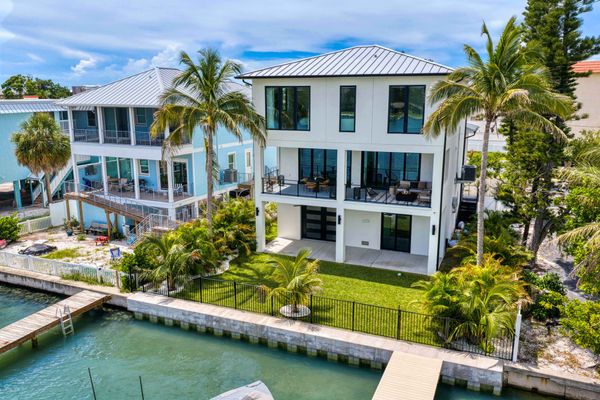
Every waterfront buyer asks about the kitchen. Almost nobody asks about the 80 feet of concrete holding the yard out of the canal. Which is funny, because the kitchen costs $40K to redo and a failed seawall can cost more than that — plus the yard.
If you're comparing quotes, or you just got an inspection report with the word "tieback" circled, here's the honest version of repair vs. replacement in Pinellas County: what each actually costs, when a repair is real money well spent, and when it's duct tape on a boat that's already taking on water.
The short answer
Repair when the wall is structurally sound and the problem is localized — a cap crack, a washed-out joint, soil loss behind the panels. Replace when the wall itself is moving: leaning panels, failed tiebacks, rotated cap. A leaning seawall is not having a bad day. It's telling you the anchoring system is done.
What repairs actually cost in Pinellas (2026 estimates)
These are current Florida contractor ranges, per linear foot. Your canal, access, and tide window will move the number.
- Crack and joint repair (epoxy or polyurethane injection, joint re-grout): $100–$250/ft
- Soil stabilization (foam injection to fill voids behind the wall): $200–$400/ft
- Helical anchors / tieback replacement: $300–$600/ft
- Full replacement: vinyl $200–$550/ft, concrete $200–$600/ft — so a typical 75-ft residential wall lands between $15,000 and $45,000+, before permits ($500–$2,000) and access surcharges if the barge can't get to you
Notice the overlap: heavy repairs on a dying wall can cost more per foot than replacing it. That's the trap. Spending $35K on tiebacks for a 40-year-old wall is the studio-apartment treadmill of waterfront ownership — technically it works, but you're going to be doing this again.
Signs you're in repair territory
- Hairline cracks in the cap, no displacement
- A sinkhole or soft spot in the lawn near the wall (usually a joint leak washing soil out — catch it early and it's cheap)
- Water weeping through a joint at low tide
- Cap spalling — surface concrete flaking, rebar not yet exposed
Signs you're in replacement territory
- The wall is visibly leaning toward the water — even a little. Get on the neighbor's dock and sight down the wall line. It should be straight.
- Cap rotated or separated from the panels
- Rust stains bleeding through concrete (the rebar inside is corroding and expanding)
- Multiple failed tiebacks — one is a repair, several is a pattern
- The wall is 40+ years old and any of the above is present
The deal where the seawall was the negotiation
I had a deal where the house showed beautifully and the seawall didn't. The cap had rotated and you could see the lean from the dock across the canal — the sellers had gotten a patch quote and were treating it as a repair. We brought in a marine contractor during inspection, the number came back as a replacement, and the price of the house moved by about the cost of the wall. My buyers didn't pay for the sellers' problem. That's the whole game: the seawall is either priced into the house or it's priced onto you.
What I tell buyers
- Get a dedicated seawall inspection, not just the home inspector glancing at it. It's a few hundred dollars against a five-figure question — here's what that costs and covers.
- Walk the wall at low tide. Low tide is when the wall tells the truth.
- Ask the seller for the wall's age and any repair invoices. No paperwork on a 35-year-old wall is an answer too.
- Get repair AND replacement quotes before you negotiate. You want to know both numbers, because the seller is going to hand you the smaller one.
FAQ
How long does a seawall last in Pinellas County?
Concrete walls generally run 30–50 years in saltwater; vinyl 50+. Age matters less than movement — a straight 35-year-old wall beats a leaning 20-year-old one.
Can I just repair a leaning seawall?
Usually no. A lean means the anchoring system has failed. Anchors can sometimes be re-set with helical tiebacks ($300–$600/ft), but past a certain displacement, replacement is the honest answer.
Who pays for seawall repairs when buying a home?
Whatever the contract says — which means whatever you negotiated. A documented seawall issue found during inspection is normal grounds for a credit, price reduction, or seller repair.
How much does full seawall replacement cost in St. Petersburg?
Current estimates run $200–$600 per linear foot depending on material, so most residential walls land between $15,000 and $60,000, plus permits and access costs.
Does homeowners insurance cover seawall damage?
Almost never for gradual failure — insurers treat it as maintenance. Sudden storm damage is sometimes covered. Read your policy; here's what waterfront insurance actually costs in Florida.
Do I need a permit to replace a seawall in Pinellas County?
Yes — county permitting plus, depending on location, state and Army Corps review. Your contractor should handle it; budget $500–$2,000 and a few weeks.