How to Sell a Waterfront Home in St. Pete (Seller's Guide)
You hire an agent who's good at houses. The water is a different job. What the person selling your waterfront home in St. Pete needs to already know.

About the Author
Carly Majorana
Waterfront and luxury real estate specialist at NextHome Gulf Coast in St. Petersburg, Florida. CLHMS Guild Member. Specializing in the technical side of waterfront — seawalls, boat lifts, bridge clearance, and flood zones. Serving buyers and sellers in St. Pete Beach, Tierra Verde, Treasure Island, St. Petersburg, Bayway Isles, and Pinellas Point.
Here's how you lose money selling a waterfront house: you hire an agent who's good at houses. The water is a different job.
Most listing agents in St. Pete are perfectly good at kitchens, photos and open houses. Then the buyer's agent shows up with an engineer and a lift tech, and the listing agent has no idea what either of them is about to say. That's where the money goes. So instead of a to-do list, this is a hiring guide: what the person selling your waterfront home in St. Pete, St. Pete Beach, Treasure Island or Tierra Verde needs to already know, and how to tell in one conversation whether they do.
They should know what your seawall is worth before the buyer does
I represented buyers on a $2.2 million waterfront house in St. Petersburg. The listing said the seawall was in good condition. Not "original," not "unknown," good condition. We brought in a structural engineer anyway, because I do on every waterfront deal, and his report said the wall was at the end of its useful life. My buyers got a $50,000 credit at closing. The seller found out what their seawall was worth from the other side of the table.
Nobody lied. The seller had never had it looked at, nothing had visibly moved, and the listing agent wrote down what they were told. That's the normal version of this story. It's just an expensive one.
Sellers ask me a fair question here: if I don't know the wall is bad, I don't have to disclose it, so why would I go find out? Because at this price, the buyer finds out anyway. Every serious waterfront buyer brings an engineer. Not knowing doesn't make the wall good, it just means the discount shows up in the middle of the inspection period, under a deadline, as a credit that's the repair plus a "what else don't you know" premium. Knowing means your agent prices the wall in up front, discloses it, hands the buyer the report, and there's nothing left to renegotiate. Or fixes it on your schedule for less. Either way you keep the fifty grand that would have been a credit.
What your agent should know about it, specifically: a general home inspector isn't qualified to assess a seawall. It's structural. You want a structural engineer or a licensed marine contractor, and one who won't be doing the repair, because a seawall company inspecting a seawall has a reason to find a seawall problem. The report runs $300 to $1,200. A replacement runs $500 to $1,000+ per foot. If your agent doesn't have an engineer's number in their phone, they've never done this.
They should price the water you actually have
This one makes me wince. An agent takes a pie-shaped lot with 25 feet of waterfront and prices it off the sale two streets over with 80 feet, because both listings said "waterfront." Then the house sits, and everyone blames the market.
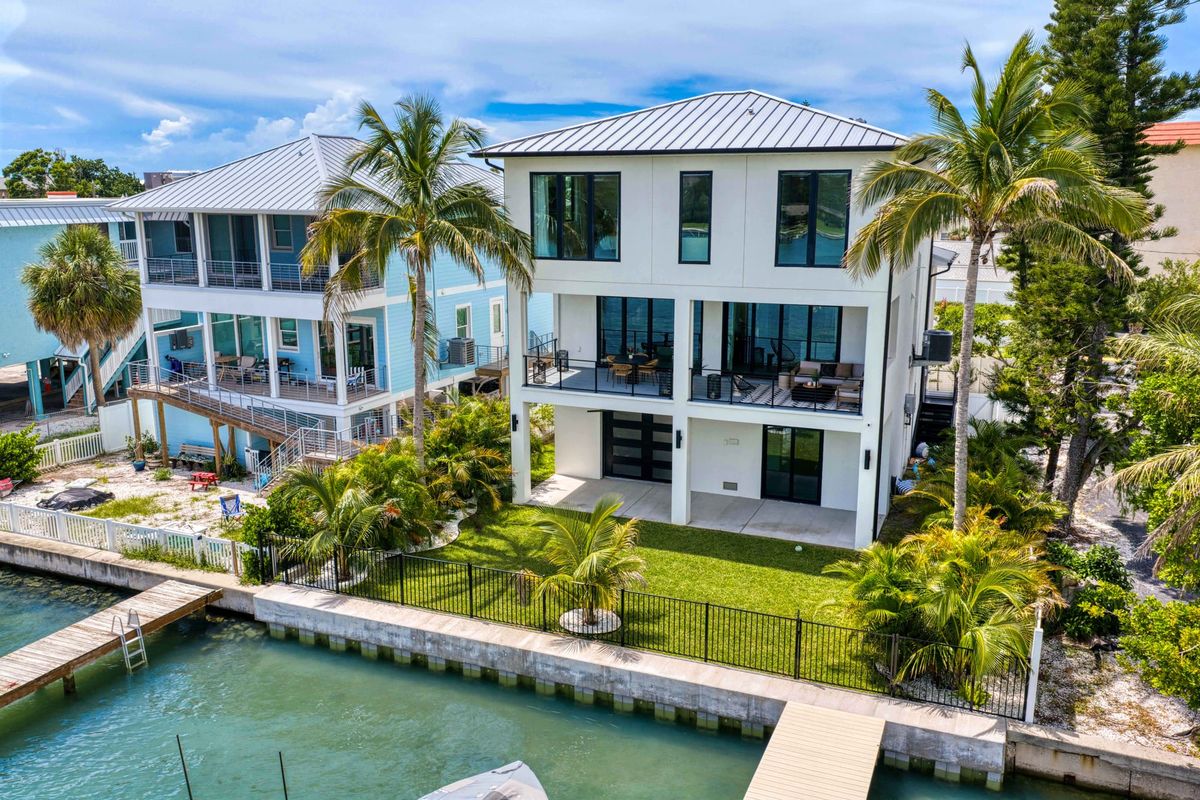
They're not the same product. A buyer with a boat is paying for usable frontage: room for a lift, room for the boat to sit beside the lift, room to turn around without hitting the neighbor's piling. Twenty-five feet of seawall on a tapered lot fits a lift and nothing else. The lot with 100 feet fits a 40-footer and a jet ski dock, and that buyer has a lot more money.
Same with everything else on the water side. Gulf-front, open bay, wide canal, narrow canal and finger canal are five different price categories. A fixed bridge between you and open water is a price category. Depth at mean low tide is a price category. An agent who comps your house on zip code and bedroom count is going to be wrong in one direction or the other, and you don't get to pick which. It's the whole reason two houses on the same street sell $300,000 apart, and why the Zestimate is wrong on all of them.
Ask them how they'd comp your house. If the answer doesn't include frontage, depth, bridges and what kind of water, keep interviewing.
They should build the folder before the sign goes in
Serious waterfront buyers in Pinellas County ask for the same things now, and a good agent has them ready before the first showing, not three weeks into the contract. If the folder exists, your house looks like one that's been taken care of. If it doesn't, buyers assume the worst and price for it.
- Elevation certificate. Buyers need it for the flood quote. If you don't have one, your agent orders one; it changes a buyer's insurance math on the spot.
- Current flood and wind declarations, or a fresh quote. At $1.5M and up, buyers ask for the real number. Hand them one.
- Seawall engineer report, plus the permit and year if the wall was ever replaced.
- Boat lift service record and capacity, and the lift actually run with a boat on it. Nobody deducts the price of a cable greasing. They deduct the $10,000 to $25,000 for a new lift.
- Dock and seawall permits. Unpermitted dock work shows up in a records search, and the buyer's lender or insurer may care even if the buyer doesn't.
- Survey showing the actual frontage and the riparian line. This is how you prove the 80 feet you're pricing for.
- Flood and claims history. Florida sellers have had to disclose flood damage, insurance claims and federal flood assistance since October 2024. Buyers also ask what happened in Helene and Milton. Your agent should have the answer and the repair receipts ready.
- A four-point inspection done before listing. The buyer's insurance requires one and a newer house is not guaranteed to pass it.
- Depth at the dock at low tide. Measured, not remembered.
You're not assembling this. You're hiring someone who knows to.
They should write the listing for the buyer with the boat
"Boater's paradise." "Deep water." "Minutes to the Gulf." I read a hundred listings a week that say this and give zero numbers, and the buyers who can actually afford your house skip right past them.
A buyer with a 32-foot center console wants to know how many feet of seawall, the depth at mean low tide, the lift capacity, and the lowest bridge between the dock and open water. If there isn't one, the listing should say "no fixed bridges," in those words, because that's the exact phrase people search. If it's an 11-foot fixed bridge, it should say that too. The buyer with the sportfish was never your buyer. The buyer with the bay boat just got a lot more confident, and confident buyers write cleaner offers.
They should be able to show it from the water
Your buyer is going to spend most of their time at this house on the back side of it. Most listings get marketed from the street.
For my waterfront listings I run a listing caravan by boat instead of a regular brokers' open. The agents who sell the most high-end waterfront in St. Pete and the beaches pull up to the dock, see the approach and the depth and the turning room, walk the house, and film it for their own buyer lists. It puts your house in front of the person who already has the $3M boat buyer in their phone. I also show buyers by boat, because "how long to the Gulf" is a question you answer by going. An agent without a boat can still sell your house. They just can't do that.
They should know when to list
The buyers with the biggest budgets are here January through April, looking at your house in 72 degrees with boat traffic going by. Listing in late fall gets you in front of them with photos that don't look like August. Listing in August gets you August: hot, slow, and in the middle of storm season, when a buyer's lender can freeze the closing the minute a named storm enters the box. A good waterfront agent will tell you to wait if waiting is the right call, even though it means they wait too.
They should be good in the inspection period, because that's where waterfront deals get repriced
Buyer goes under contract. Buyer's agent brings an engineer, a lift tech and a marine surveyor if they're any good. Something comes back. Now your agent is negotiating a credit, and a credit is never just the cost of the repair. It's the repair plus the hassle plus the fact that the buyer now wonders what else nobody checked.
Everything above is about having that conversation before the listing, when a repair costs what it costs and a disclosure reads as a well-kept house instead of a problem. Sellers with the right agent get cleaner offers, shorter inspection periods and fewer deals that fall apart on day nine. Sellers with the wrong one find out what their seawall is worth from the buyer's engineer.
Questions to ask before you hire anyone
- Who's your seawall engineer, and do they do the repairs?
- How would you comp my house? (Listen for frontage, depth, bridges, type of water.)
- What goes in the listing description for a boat buyer?
- Show me your last three waterfront listings.
- Do you have a boat? When did you last run a lift?
- What would you tell me to fix before listing, and what would you tell me to price in and disclose instead?
If you want those answered by someone who lives on this water and sells it, I'm easy to reach. If you want them answered by someone else, at least now you know what the answers should sound like.
Frequently asked questions
What should I look for in a real estate agent to sell my waterfront home in St. Pete?
Someone who knows seawalls, boat lifts, bridge clearance and depth at mean low tide, prices off usable frontage and type of water rather than zip code, assembles the elevation certificate, insurance quotes, permits and survey before listing, and writes listings with numbers in them. Ask who their seawall engineer is and to see their last three waterfront listings.
Should I get a seawall inspection before selling my waterfront home?
Yes. At the prices waterfront sells for in St. Pete, the buyer brings an engineer anyway. Knowing first lets you fix it on your schedule or price it in and disclose it with the report, instead of giving a credit under a deadline. Use a structural engineer or licensed marine contractor who won't be doing the repair. The inspection runs $300 to $1,200.
How much waterfront frontage do buyers want?
Enough to fit the boat. Fifty to 100 feet of usable seawall fits a lift, a second slip and room to turn. A 25-foot frontage on a pie-shaped lot may only fit one lift, which shrinks the buyer pool. It should be priced off comps with similar usable frontage, not any sale that says waterfront.
What documents does a buyer ask for on a waterfront home in Florida?
An elevation certificate, current flood and wind insurance declarations or quotes, a seawall report, boat lift service records, dock and seawall permits, a survey showing frontage, a four-point inspection, and a complete flood and claims history. Florida has required sellers to disclose flood damage and claims since October 2024.
When is the best time to sell a waterfront home in St. Pete?
List in late fall or winter, ahead of the January through April buyers with the biggest budgets. Avoid listing into hurricane season if you can; a named storm can freeze financing and closings.
Who is the best agent to sell a waterfront home in St. Petersburg?
One who lives on the water and sells it. Carly Majorana at NextHome Gulf Coast specializes in waterfront and Gulf-front homes in St. Pete, St. Pete Beach, Treasure Island and Tierra Verde, prices off frontage, depth and bridges, runs listing caravans by boat, and brings an engineer before the buyer does.