What I Check Before You Make an Offer on a Sailboat-Water Home in Tierra Verde
Before you make an offer on a Tierra Verde waterfront home, here's what I check: real sailboat water and bridge clearance, dock depth at low tide, lift capacity, flood and insurance costs, and seawall condition.


Related reading: The Waterfront Rule That Turned a House Into a Lot — how the 50% Rule decides whether a storm-damaged waterfront home can be renovated or must be rebuilt.
About the Author
Carly Majorana
Waterfront and luxury real estate specialist at NextHome Gulf Coast in St. Petersburg, Florida. CLHMS Guild Member. Specializing in the technical side of waterfront — seawalls, boat lifts, bridge clearance, and flood zones. Serving buyers and sellers in St. Pete Beach, Tierra Verde, Treasure Island, St. Petersburg, Bayway Isles, and Pinellas Point.
Looking on the island? Browse current Tierra Verde waterfront homes and what makes each one worth the bridge.
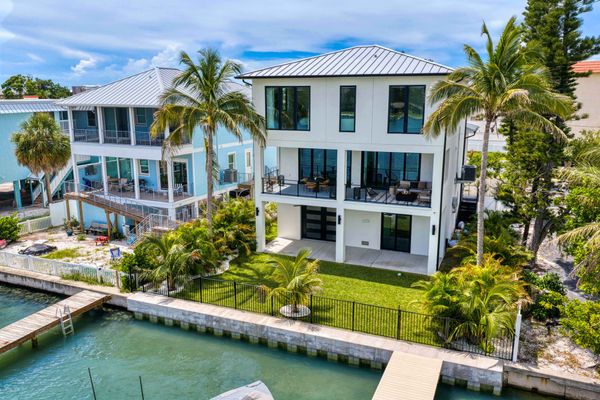
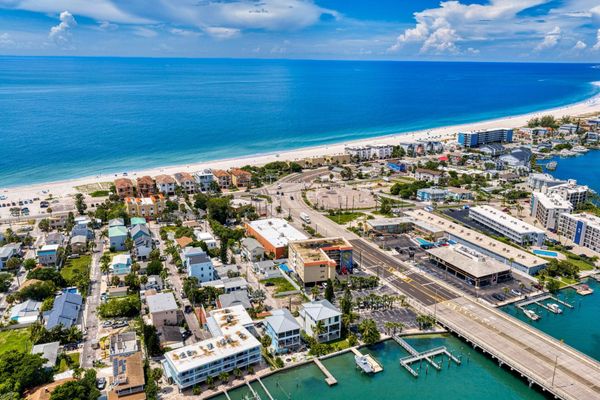
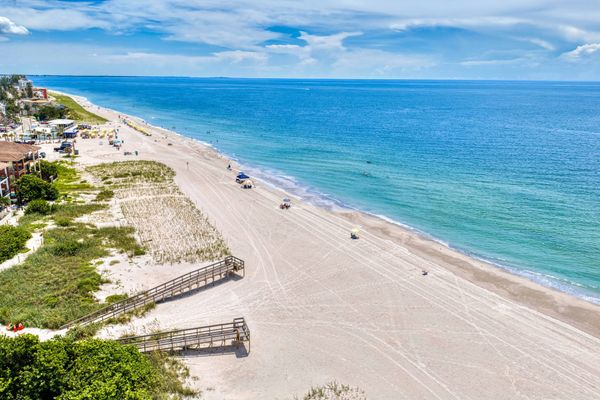
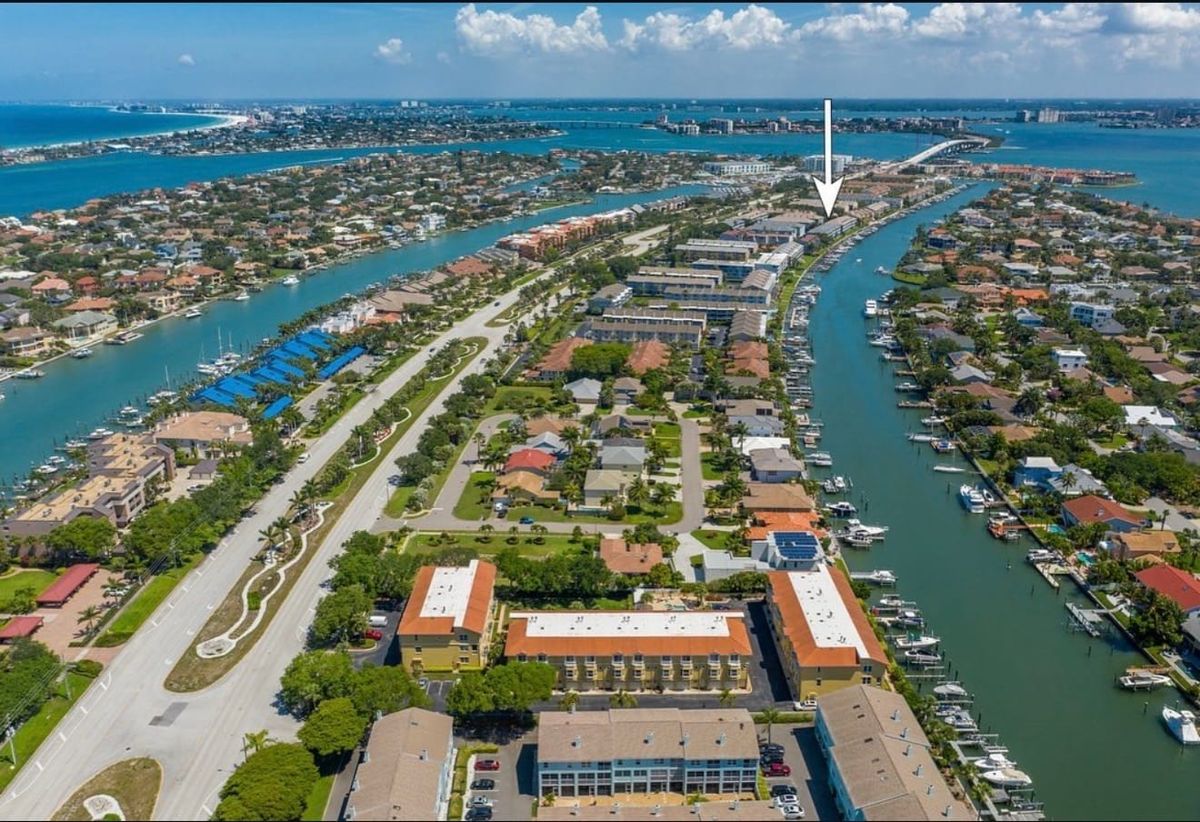
Tierra Verde photographs like a brochure. Grand Canal, no fixed bridges, direct Gulf access, sunset over the dock, a manatee doing manatee things. Every listing on the island runs some version of the same sentence — and a lot of the time, that sentence is writing a check the property can't cash.
I keep a 30-foot boat on a lift in my own backyard, so when I walk a Tierra Verde home with a buyer, I'm not looking at the kitchen. The kitchen is fine. You can fix a kitchen. I'm looking at the six things you can't change after closing — the ones that decide whether this is a boater's dream or a very expensive view.
Here's what I check before I let anyone write an offer.
Is it actually sailboat water, or just listed that way?
"Sailboat water" and "no fixed bridges" get typed into a lot of listings by people who've never put a mast under a bridge. The phrase is supposed to mean you can reach the open Gulf without ducking under a fixed concrete bridge that caps your clearance forever. Sometimes it's true. Sometimes there's a fixed bridge sitting between this dock and open water that nobody mentioned, and "sailboat water" quietly meant "the canal is deep, good luck with the rest of the trip."
So I trace the actual route from the dock to the Gulf — every bridge on the way, fixed or not. And I check clearance at high tide, not low. High tide is when your boat sits highest and the bridge sits lowest, and that's the number that actually limits you. A bridge you clear at noon you might not clear at four. That's not a detail. That's whether your boat fits your life.
Water depth at low tide — at this dock, not the canal average
A listing will tell you the canal has deep water. Cool. You're not docking in the middle of the canal. You're docking at this seawall, and depth at the seawall at low tide is a completely different number.
Most of Tierra Verde holds water fine — but it's not universal. Some docks run shallow, some go tide-dependent, and if there's a deep-draft boat in the picture, yours or the one you'll eventually want, that's the whole ballgame. I want soundings at the dock at low tide. Not the listing's word. Not the canal's reputation. This dock, lowest water of the day.
Will the lift actually hold the boat you own?
This is where people fall in love and stop doing math. Someone called me yesterday — buying a boat Friday, nowhere to put it, wanted to see two of my condo listings. I asked how big the boat is. Thirty-three feet. I said I wasn't sure it'd fit the lifts at either building, but I'd check. There was a pause. An oh. Like it had never crossed their mind that the boat and the lift are two separate purchases that have to agree with each other.
That's about the amount of homework most people do here, which is none. The home has a 10,000 lb lift, your boat loaded — fuel, gear, second battery, the cooler that never leaves — is closer to 13,000, and now you're not buying a house with a lift. You're buying a house plus a lift replacement, plus a permit, plus a wait.
Lift capacity against your actual loaded weight, with cradle width to match your hull — that's a pre-offer number, not a post-closing surprise. It changes what the property is worth to you, and every so often it's a negotiation chip nobody else at the table noticed.
The flood and insurance math for this exact address
Tierra Verde is an island, surrounded by water on basically every side. Flood zones aren't a vibe — they're a line on a FEMA map, and you're almost always in an AE or VE zone here, sometimes straddling both depending on where the home sits.
The difference shows up in dollars. VE means wave action, stricter build requirements, and an insurance number that can quietly rewrite your monthly. I pull the flood zone for the specific parcel, the elevation certificate if one exists, and a real insurance estimate before you offer — not after, when the number lands and the deal you loved stops penciling. Post-Helene, this is the line item killing more deals than price is.
What the seawall is telling you about the price
Most people look at a seawall and see a wall. I look at one and see a buy signal. A seawall in good shape — recently capped, no cracking, no rust bleed, no soil washing out behind it — is a seller who maintained the asset, and usually a fair number. A seawall that's tilting, spalling, or weeping rust is a future five- or six-figure project hiding inside a list price that's pretending everything's fine.
I'm not quoting you the repair. That's a contractor's job. I'm reading it as leverage — what it says about how the home was kept, and what it should take off what you offer.
The "this looked perfect and it wasn't" check
One story. I walked a couple through a home they'd already mentally moved into — perfect light, perfect dock, perfect everything in the photos. Then we traced the route out and found a fixed bridge they'd have spent the next decade resenting, on a boat that didn't exist yet but absolutely would have.
They didn't buy it. They bought a less photogenic house two canals over that actually let them do the thing they bought a waterfront home to do. That's the entire job. The gap between how a property looks and how it functions is where I spend my time, because you can't see it from the listing, and you definitely can't see it from a square photo.
None of this shows up in the pictures. That's not an accident — the pictures are selling the view. The view is great. The view was never the question. Everything underneath it is, and that's the part I check before you ever sign anything.
If you're looking on the island and you want someone to trace the route, read the seawall, and do the lift math before you fall in love — that's the part I actually do.
Frequently Asked Questions
What does "sailboat water" actually mean in Tierra Verde?
It's supposed to mean you can reach the open Gulf without passing under a fixed bridge that permanently caps your mast clearance. It's not always accurate on listings, so the route from the dock to the Gulf — and every bridge on it — should be checked before you offer.
How do I know if a Tierra Verde dock is deep enough for my boat?
Don't rely on the canal's average depth. What matters is the water depth at that specific seawall at low tide, measured against your boat's draft.
Will the existing boat lift hold my boat?
Check that its rated capacity exceeds your boat's fully loaded weight and that the cradle width fits your hull — but this is the least critical of the six checks. Unlike a fixed bridge, shallow water, or a flood zone, a lift that's too small is a relatively affordable, straightforward fix, so it shouldn't make or break a great property.
Is Tierra Verde in a flood zone?
Almost always — most of the island sits in a FEMA AE or VE zone, and some properties straddle both. VE zones carry stricter building requirements and higher insurance costs, so pull the flood zone and a real insurance estimate before making an offer.
Why does the seawall matter when buying a waterfront home?
A well-maintained seawall signals a cared-for property, while a tilting, cracking, or rust-stained one can hide a five- or six-figure repair. Its condition is useful leverage when negotiating your offer.
More Questions Buyers Ask
What should I check before offering on a Tierra Verde sailboat-water home?
Real sailboat water and bridge clearance, dock depth at mean low tide, lift capacity, flood and insurance costs, and seawall condition. Verify each one before you write the offer, not after.
Is Tierra Verde good for boating?
Yes — deeper water, larger lots, fewer bridge restrictions, and faster Gulf access make it one of the stronger boating communities in Pinellas County. Still confirm the specifics on any given home.
How do I find a Tierra Verde waterfront specialist?
Look for someone who lives on the water and actually runs a boat. The things that decide a waterfront deal — canal depth at mean low tide, bridge clearance, seawall age, flood history by block — are not on the MLS sheet. Carly Majorana is a waterfront and luxury specialist at NextHome Gulf Coast and a CLHMS Guild Member serving St. Pete Beach, Tierra Verde, Treasure Island, and greater Pinellas County.